Grand Geneva's Wee Nip Wasn't Built for Beginners. It Was Built for a Tuesday Night.
Ask anyone who has run a golf outing at Grand Geneva Resort about a typical Saturday and they will tell you about buses. Ryan Brown, the resort's director of golf, has said the property hosts somewhere between 240 and 260 outings a season on the Brute and the Highlands, the two championship courses that draw corporate retreats and buddy trips from as far as Texas. Those are double shotgun starts, block reservations, four-plus hours on the clock. It is golf as an event you plan around, not something you fit into an evening.
Wee Nip, the resort's new 11-hole short course that opened May 19, is the opposite kind of golf. It was designed to be walked alone, or with one other person, in about 90 minutes, and it has quietly become something the marketing copy undersells: not a beginner's course, but the first tee time on this side of the lake that fits inside a weeknight.
The resort's own language leans hard on accessibility. Skip Harless, the managing director, has called it a way to make golf "more welcoming, fun and approachable for players of all ages." That is true, and it is also not the interesting part. The interesting part is what Wee Nip does to the shape of a golf evening around here.
The Brute stretches past 7,000 yards with 68 bunkers. The Highlands is a Pete Dye and Jack Nicklaus original, reworked twice since. Both are built for a full day, a cart, and a group. Wee Nip has none of that architecture of commitment. It is walking only, with no cart rentals at all, and the resort hands out complimentary "pencil bags" sized for five or six clubs so you are not lugging a full set around 990 yards of fairway. Course architect Matt Dusenberry has said the point was to get golfers to set the scorecard aside and "take a few clubs," and the routing backs that up.
"We still want the architecture to be engaging, to be really interesting. We want you to remember every hole."
That is Dusenberry describing a design philosophy for something you can finish before the sun goes down in August. The total yardage changes daily, since holes play from different tee markers depending on conditions, and a sign near the first tee tells you the day's longest hole before you start. That is a small detail, but it tells you the resort is treating this as a course you might play often enough to notice the variation, not a novelty you check off once.
Each hole has a name, which matters more here than it would on a longer course, because you actually remember them after a 90 minute round. The first hole, Blackboard, plays around 85 yards. The fifth, Cathedral, is the shortest on the course, sometimes as brief as 52 yards, with its tee boxes flanked by hardwood trees that frame the shot like a nave. The third hole's green is shaped like a fish hook, with a mounded rise in front of it that measures roughly 30 feet higher than the lower part of the second fairway, according to a LiDAR reading cited by Chicago Golf Report. The ninth, called Runway, is essentially one long putting surface from tee to green. The eleventh and last, Aloha, plays uphill to two separate green options, and missing either one sends your ball rolling back down the slope, which is either a fitting sendoff or a cruel one depending on your round.
A short list of what sets the layout apart from a standard par-3 course:
That last point is easy to miss and probably the most telling. A course that lets you play twice in one visit for the cost of one is not designed around scarcity. It is designed around habit.
Golf has always had its aftermath, the handshake and the drink at the turn, but Wee Nip built that moment into the course itself. The routing brings golfers back past a gathering spot the staff calls the 12th Hole, even though there are only eleven holes of golf. It is a trailer outfitted as a full bar and kitchen, and the tradition is to hand your scorecard to the bartender in exchange for a pour of Wee Nip, the resort's own whiskey blend created specifically for this course. Whoever posts the low score for the day gets it displayed near that same spot. There is music, yard games, and Adirondack chairs facing the course, and the whole setup is engineered so you are never more than three holes from a reason to stop and talk to someone.
Pricing reflects the same casual logic. Golfers 17 and under play free with a paying adult, and an unaccompanied minor can get a tee time for 35 dollars at the golf shop's discretion. Driving range access comes with every tee time. The season runs from April through November, which means Wee Nip has already been open long enough this year to become a known quantity rather than a novelty act, and there is still a full fall of evenings left to use it.
The course opened with a public gesture that says something about how it was positioned from the start. All revenue from Wee Nip's opening day went to United Way of Walworth County, the nonprofit that coordinates financial support and collaboration among local aid organizations across the county. A resort could have quietly soft-launched a short course and let word of mouth build. Instead it tied the first day of play to a county-wide charity, which is the kind of choice that signals a course meant to be used by the community around it, not just resort guests passing through on a golf weekend.
That distinction is the whole point. Grand Geneva's identity for decades has been built on the Brute and the Highlands, courses engineered for a destination round that outsiders plan a trip around. Wee Nip is the first thing on that property built for the person who already lives ten minutes away and wants something to do on a Tuesday between five and seven. It does not ask you to clear a day. It asks you to clear 90 minutes, and it hands you a whiskey when you are done.
If you already know that rhythm, the after-work walk, the neighbors you run into at the 12th Hole, the way a short course changes what a weeknight can hold, you already understand something about living here that no listing photo captures. That is the kind of detail Bob Webster has spent 40 years paying attention to, on and off the fairway. If a quiet evening on Wee Nip has you thinking about what it would take to make Geneva Lake your full address rather than a weekend one, reach out to request a confidential market valuation and start that conversation on your own timeline.
Stay up to date on the latest real estate trends.
September 17, 2026
September 10, 2026
Bob Webster | September 9, 2026
September 3, 2026
August 27, 2026
August 20, 2026
Bob Webster | August 19, 2026
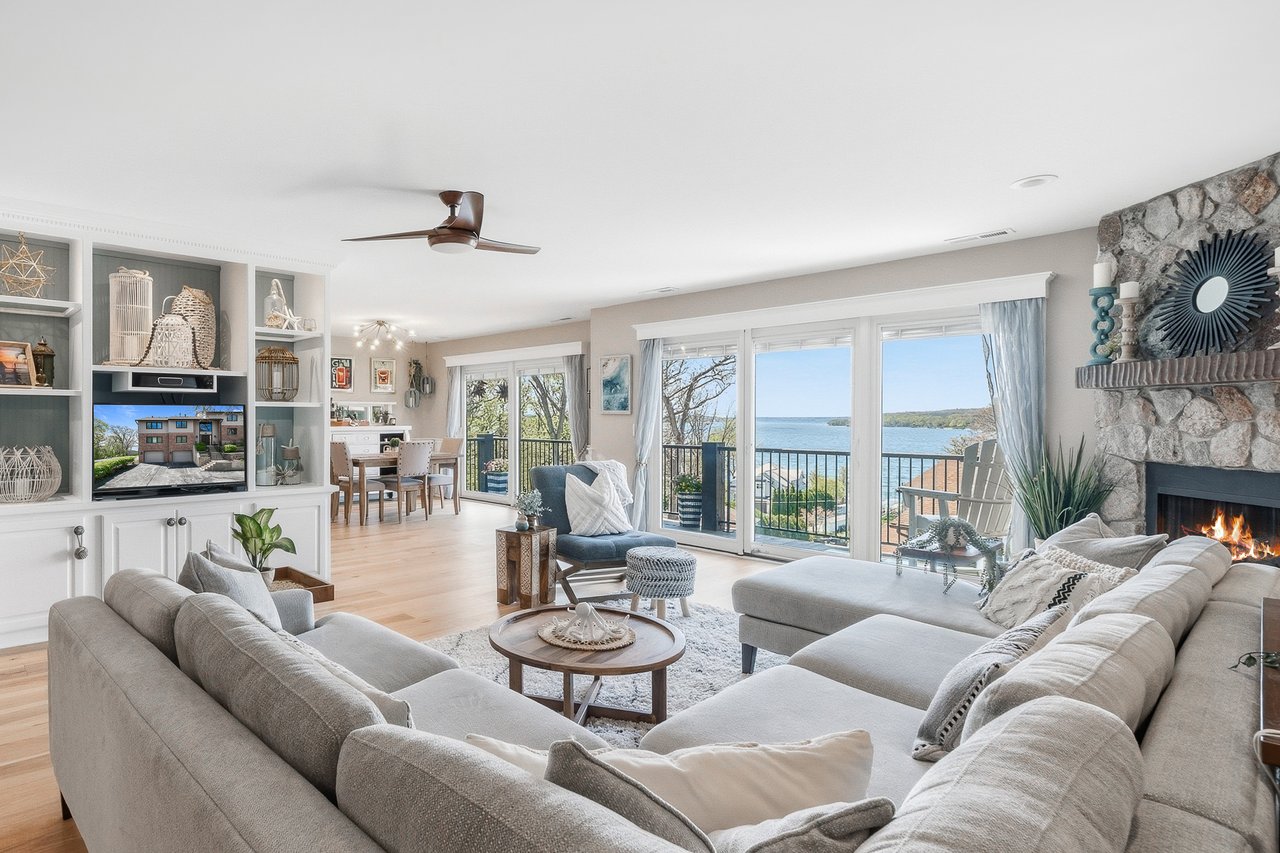
Vista Del Lago - 1070 S. Lake Shore Drive, Unit 11-B2
Bob Webster | August 15, 2026
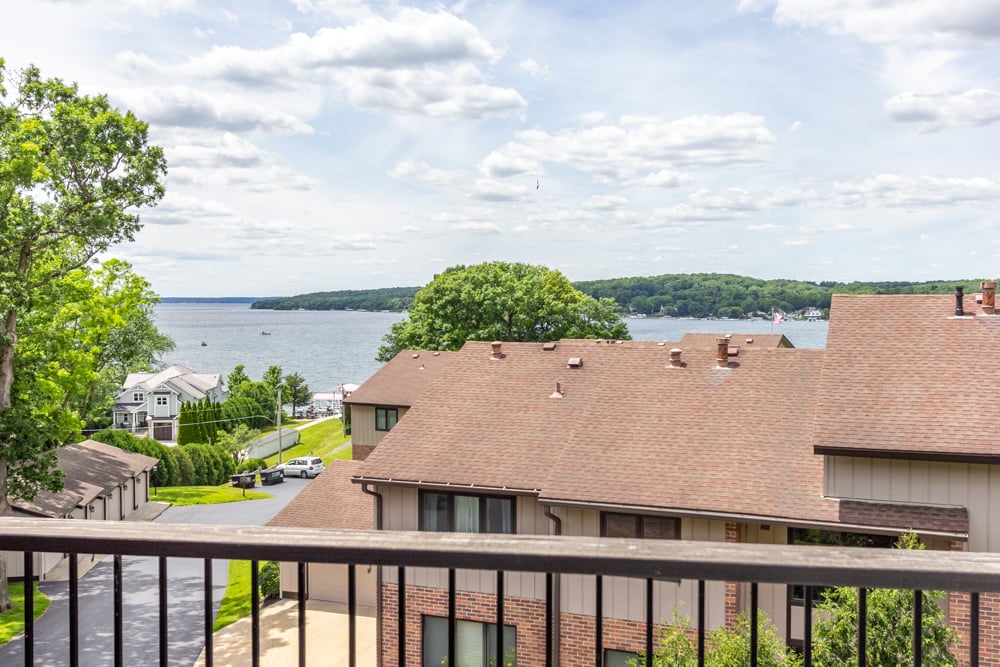
Lake Views and Transferable Deep Water Boat Slip
August 13, 2026
Bob is dedicated to offering the finest real estate service available in the Lake Geneva area. He attempts to make each buyer or seller he works with feel like they are the one and only client he has and strives to make each transaction a pleasurable experience with the least amount of problems, stress, and inconvenience to them.
101 Geneva National Ave. S. Lake Geneva, Wisconsin 53147