Out‑Of‑Market Buyer’s Roadmap To A Geneva Lake Second Home
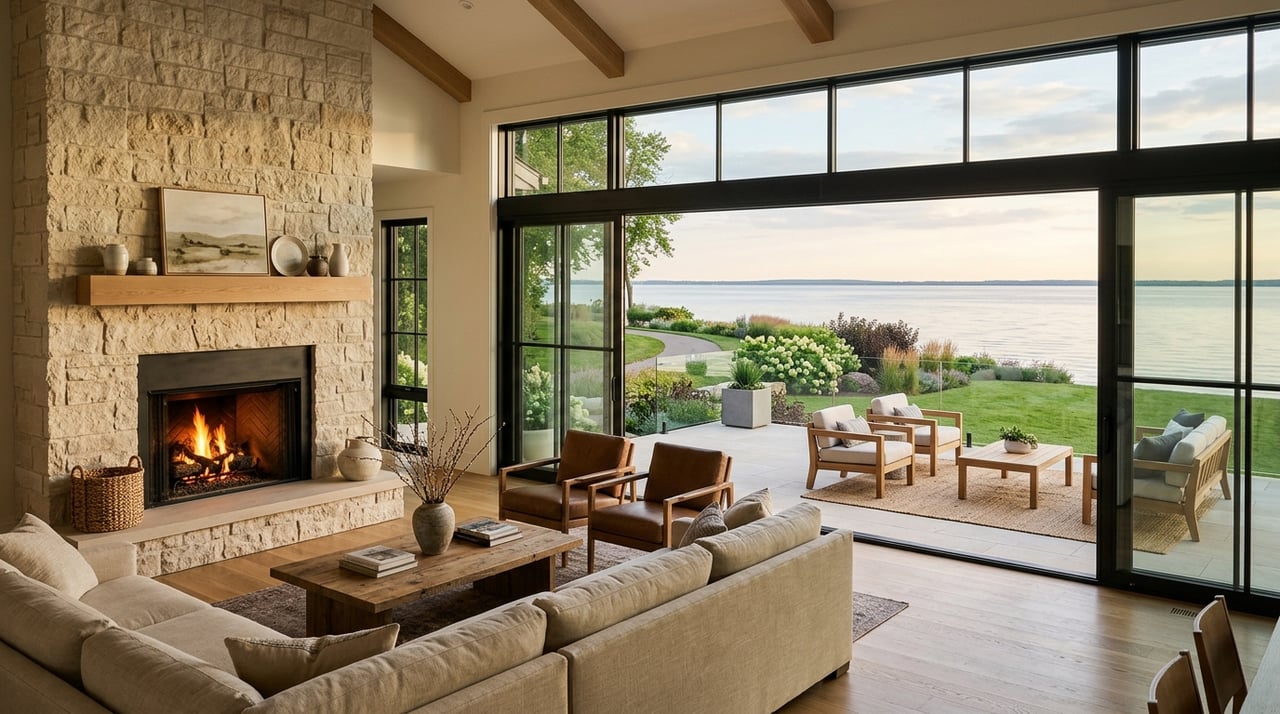
You do not need to live near Geneva Lake to buy well here, but you do need a plan. If you are searching from Chicago, Milwaukee, or farther out, Fontana-on-Geneva Lake can feel simple on the surface and surprisingly nuanced once you look closer. This guide will help you understand how to search smartly, evaluate waterfront details, and move through the process with confidence. Let’s dive in.
Fontana-on-Geneva Lake sits on the western shore of Geneva Lake in Walworth County and functions as more than a small village. According to the village, it has a year-round population of 1,674 and also serves another 3,500 to 5,000 property owners and guests on weekends and during peak seasons. That mix helps explain why the market often feels seasonal, competitive, and highly relationship-driven.
For out-of-market buyers, location is part of the appeal. Fontana is accessible from Chicago, Milwaukee, and Rockford, which makes it a realistic second-home destination for weekend use. If you want a retreat that feels away from the city without being difficult to reach, Fontana checks that box.
A second-home search in Fontana is not just about scrolling listings and booking a showing when something looks promising. Inventory can move quickly, and waterfront properties often come with layers of site-specific details that are easy to miss from afar. That is why a managed process matters.
Bob Webster’s boutique, hands-on approach is especially valuable here. With deep Geneva Lakes experience and Compass tools designed for real-time collaboration, you can keep your search organized, review options efficiently, and stay ready when the right property appears.
When you are buying from outside the area, scattered texts, screenshots, and saved tabs can slow you down. A centralized dashboard helps you compare homes, save notes, and track feedback in one place. That kind of structure matters when you are balancing a fast-moving market with a busy primary-home life.
Compass One is built for this type of visibility, with a single client dashboard that keeps the search and transaction moving in one place. Compass Collections also gives you an interactive workspace to organize listings and collaborate in real time. For a remote buyer, that means fewer missed details and quicker decisions.
Some of the best opportunities may not start on the open market. Compass Private Exclusives and Coming Soon can provide early visibility or a more discreet path into inventory before a listing follows the usual public timeline. In a second-home market where timing matters, that can be a meaningful advantage.
Private Exclusives allow sellers to test pricing and build early interest before going fully public. Coming Soon can expand exposure while avoiding public days on market and public price-drop history. If you are serious about Fontana, access to these channels can widen your options.
Pre-offer preparation is one of the biggest advantages you can give yourself. If you find a property that fits your goals, you do not want to start gathering your financing plan after the fact. A clean, early strategy helps you move with less stress.
If your purchase depends on selling your current home first, the sequence matters even more. Compass Concierge can front the cost of eligible home-improvement services with no payment due until closing, which may reduce friction if you need to prepare and sell a city home before buying on Geneva Lake. Bob Webster can also connect clients with bridge loan resources mentioned in his brand profile when that fits the overall strategy.
On Geneva Lake, the house is only part of the purchase. Waterfront ownership also involves shoreline conditions, access, structures near the water, and rights tied to the parcel itself. That is where local knowledge becomes essential.
In Wisconsin, riparian rights are a key part of waterfront ownership. The Wisconsin DNR says riparian owners have rights to use the water adjacent to their property, but those rights exist within the public trust doctrine, which protects public rights in navigable waters. The DNR also states that only a riparian waterfront owner may place a pier or wharf.
When you are evaluating a Fontana property, look past finishes and views. You also want to understand what the lot allows, what improvements already exist, and what future plans may require. This is especially important if you hope to add or modify waterfront features later.
A strong review often includes questions like these:
In Walworth County, a lakefront purchase should be treated as more than a pricing exercise. County materials make clear that shoreline development is regulated within 1,000 feet of a lake. That means grading, vegetation removal, structure placement, and other land-disturbing work may require permits.
The county’s shoreland guide also notes a 75-foot shoreyard and strict limits on what can be built or altered close to the water. If you are imagining a quick post-closing project, it is wise to verify what is possible before you commit. What looks simple on paper may involve multiple layers of review.
For single-family or waterfront improvements, Walworth County says buyers should expect a zoning permit, sanitary permit, and erosion control permit, with county staff reviewing them together. The county also notes that sanitary-facility details must be completed, additions may require sanitary review, and a current plat of survey or site plan may be required.
This is one reason remote buyers benefit from a highly managed process. The transaction can cross village, county, DNR, and state procedures, and some steps still require paper forms or in-person delivery. That is not impossible to manage from out of town, but it is much easier when your local advisor is already used to the workflow.
Lake properties often involve private systems, and those deserve careful review. Walworth County says private wells are not regulated by the EPA, recommends regular maintenance, and offers certified testing for bacteria, nitrate, arsenic, and lead. Those details matter because water quality is a practical ownership issue, not just a checklist item.
The county also states that every private onsite wastewater system must be pumped, inspected, and reported every three years under state law. If a property has a septic system, you will want clear records and a firm understanding of current condition and ongoing requirements.
Many second-home buyers picture summer starting at the pier, not at a permit counter. But on Geneva Lake, pier and waterfront structure rules are important and should be reviewed early in the process. Assumptions can lead to frustration later.
The Wisconsin DNR says a new pier or wharf may be exempt if it meets pier-planner standards, but otherwise a permit is required. The DNR also notes that some projects may need local and federal review. Fontana’s application portal separately lists both a Pier Permit Application and a DNR Pier Permit Application, which is another reminder that local and state steps may both come into play.
A fully local transaction is not always necessary when you are buying a second home in Fontana. Wisconsin allows remote online notarization, but only under state safeguards and approved technology standards. That means a partially remote closing can be feasible, though it should never be assumed without confirming the details.
Wisconsin also requires a completed real estate transfer return and fee collection before a conveyance is accepted for recording. The Wisconsin Department of Revenue says the updated RETR system is available through My Tax Account as of January 12, 2026, with online filing, viewing, and amendment capability. For out-of-market buyers, that adds convenience, but it still works best when the transaction is organized clearly from the start.
Compass continues to expand closing-stage workflow support, including title and escrow integration noted in its 2026 reporting. Combined with Compass One’s visibility for documents and tasks, that gives buyers a strong framework for handling many steps remotely. You may only need to be in person for a limited number of final items.
Still, technology is only part of the answer. In a market like Fontana, local coordination remains just as important as digital convenience. The smoothest closings usually happen when both pieces are working together.
Your roadmap should not stop once the deed records. If you are planning shoreline work, improvements, or new waterfront structures, revisit those plans before starting any work. Rules that apply during due diligence will still matter after closing.
The Wisconsin DNR says activities below the ordinary high-water mark are regulated, including structures such as piers, boat shelters, riprap, and seawalls. County stormwater or erosion rules can also apply to new development or substantial land disturbance. A careful post-close review can help you protect both your investment and your timeline.
If you want to keep the process clear, focus on a few core steps:
A Geneva Lake second-home purchase can absolutely be handled from outside the market. The key is not doing it casually. In Fontana, the best outcomes usually come from local guidance, careful due diligence, and a process designed to keep you informed at every step.
If you are considering a second home in Fontana-on-Geneva Lake, Bob Webster offers the kind of local insight and white-glove guidance that can make a remote purchase feel calm, clear, and well managed. To start the conversation, connect with Bob Webster.
Stay up to date on the latest real estate trends.
June 25, 2026
June 18, 2026
June 11, 2026
June 4, 2026

May 28, 2026
Bob Webster | May 22, 2026
May 21, 2026
Bob Webster | May 15, 2026
May 14, 2026
Bob is dedicated to offering the finest real estate service available in the Lake Geneva area. He attempts to make each buyer or seller he works with feel like they are the one and only client he has and strives to make each transaction a pleasurable experience with the least amount of problems, stress, and inconvenience to them.
101 Geneva National Ave. S. Lake Geneva, Wisconsin 53147