Preparing To Sell A Legacy Geneva Lakefront Home
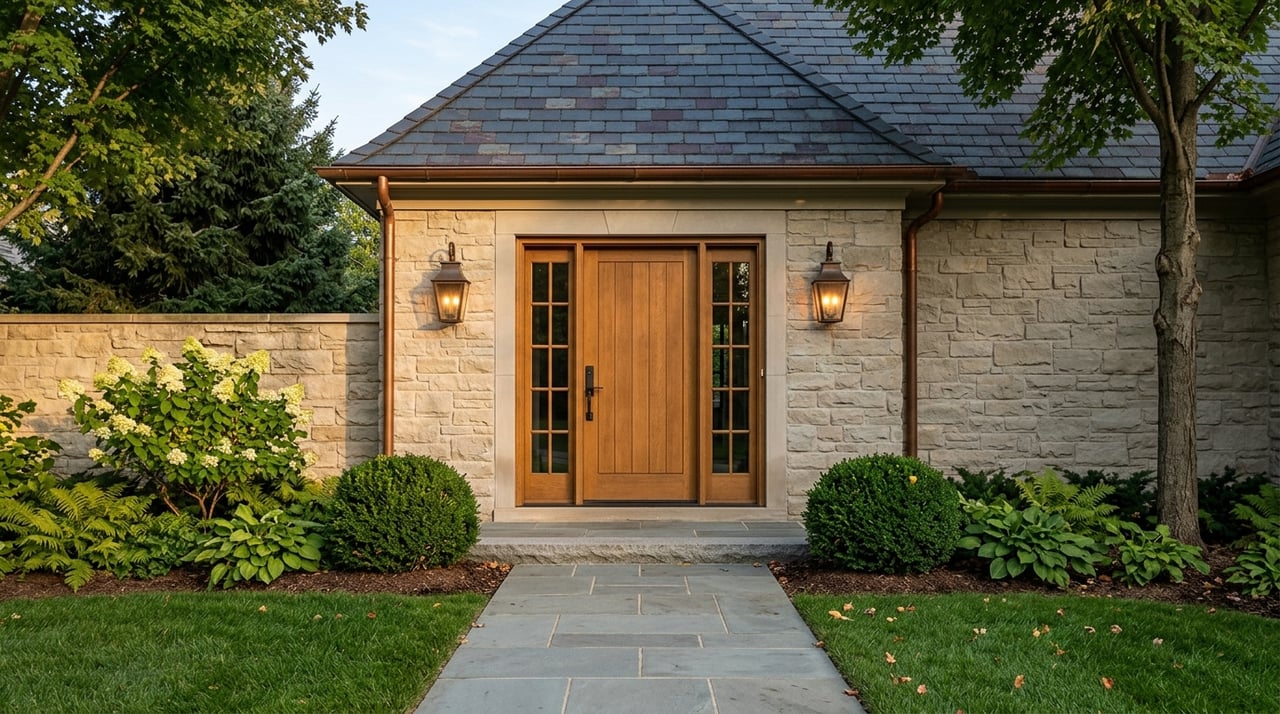
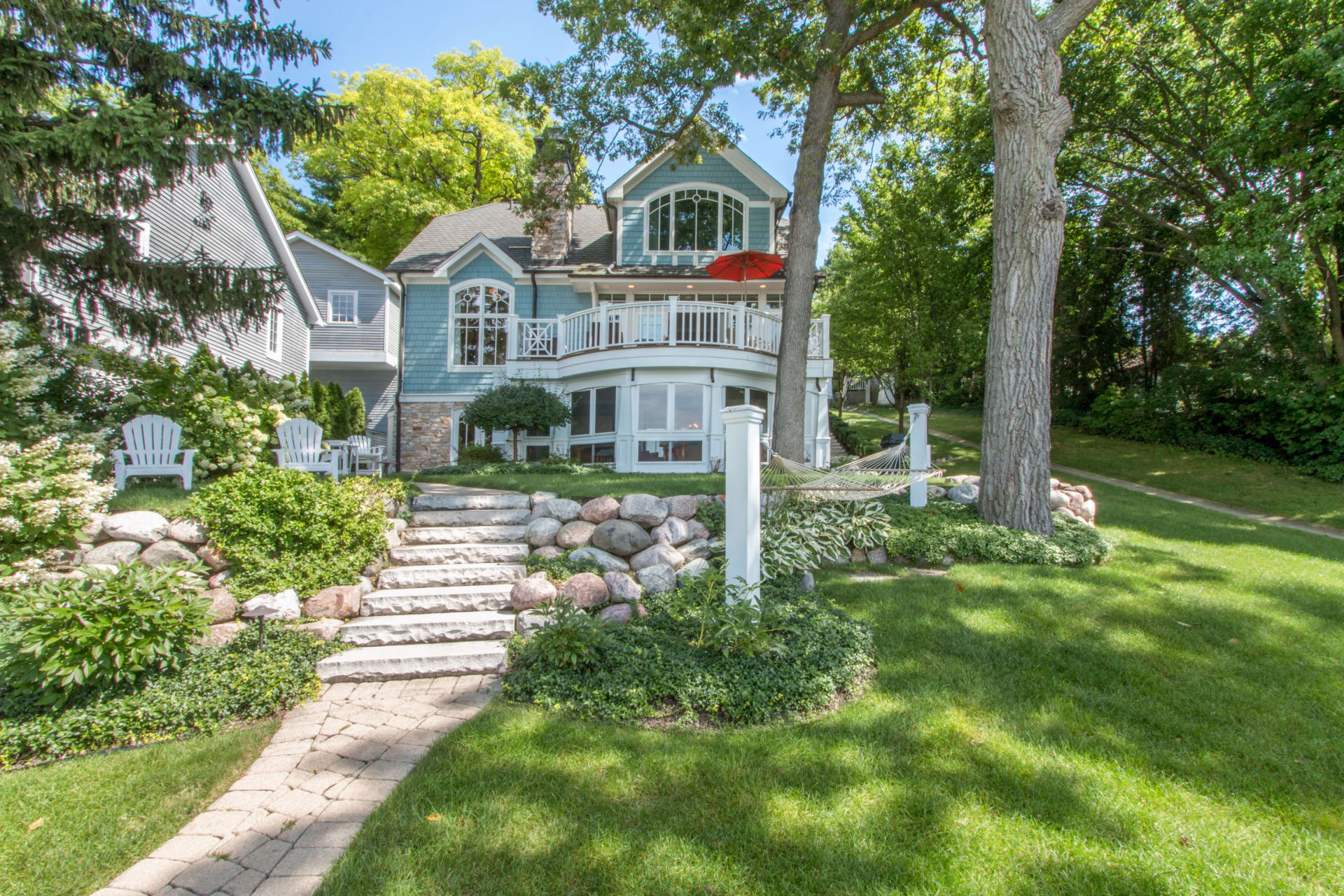
What if the smartest first step in selling your Fontana lakefront home is not a renovation or a public listing, but a private planning conversation? If your property has been in the family for years, you are likely balancing value, privacy, paperwork, and emotion all at once. The good news is that preparing a legacy Geneva Lakefront home for sale often starts with careful documentation and a clear strategy, not disruption. Let’s dive in.
A lakefront sale in Fontana-on-Geneva Lake is rarely a standard transaction. The village reports a year-round population of 1,674, with another 3,500 to 5,000 property owners and guests present at any given time, which helps explain why discretion often matters for waterfront owners in this market. You can review that local context on the Village of Fontana website.
Market headlines also do not tell the whole story. Redfin’s Fontana market data reported a February 2026 median sale price of $763,000, while broader listing trackers have shown different pricing signals. For a legacy home on Geneva Lake, value is often shaped more by shoreline condition, pier or dock status, permits, easements, and documentation than by a single market average.
Before you make repairs or talk about launching publicly, it helps to understand what you own in today’s market. A confidential valuation gives you room to assess likely pricing, identify any disclosure issues, and decide whether light touch-ups are enough.
This approach is especially useful if your family uses the home seasonally or wants to avoid unnecessary attention. It also lets you prepare on your timeline, with fewer interruptions and a better sense of which details may actually matter to a future buyer.
For a legacy lakefront property, one of the most valuable things you can do is build a clean, organized seller file. Wisconsin transaction and disclosure forms place real weight on records, legal rights, and permitted use, so strong documentation can make the process smoother from the start.
A useful file often includes:
Wisconsin’s residential forms specifically note the importance of title exceptions, surveys, permits, zoning matters, and utility-related records in the review process, as outlined in the state’s WB-12 materials. If your home was built before 1978, sellers of most properties must also disclose known lead-based paint hazards and provide available records under EPA lead disclosure rules.
On Geneva Lake, shoreline details can carry real weight. If your property has a pier, shoreline improvements, retaining work, stairs, or a path to the water, buyers will often want a clear understanding of what exists, when it was installed, and whether approvals were required.
Wisconsin guidance notes that some legacy piers placed before April 17, 2012 may be exempt from a state permit, while new piers may need review if they do not meet exemption standards. At the same time, local ordinances may still affect placement or use, so it helps to confirm both the history and the current status of your waterfront improvements.
If you are tempted to improve the home before selling, pause and verify the paper trail first. In many legacy properties, the better investment is understanding what was approved rather than starting a major remodel.
Fontana’s building and zoning resources list local contacts for zoning and building inspection, and the village code states that a zoning permit is required before new development or a change in use begins unless an exemption applies. You can review those local resources on the Village of Fontana Building & Zoning page.
That matters because Wisconsin’s condition report asks about zoning code violations, floodplain or wetland status, shoreland zoning, and shoreland mitigation plans. If you can clearly show what was done, when it was done, and whether it was permitted, you are usually in a stronger position than a seller trying to solve everything with last-minute construction.
Lakefront owners should expect shoreland rules to be part of the conversation. The Wisconsin DNR explains that shoreland standards generally apply within 1,000 feet of a lake or pond, or within 300 feet of a river or stream, and it advises owners in incorporated areas to contact their local municipality for guidance. You can review those basics through the Wisconsin DNR shoreland zoning program.
For you as a seller, the practical takeaway is simple: confirm the facts before you market the property. If something near the shoreline, access path, or water structure may affect disclosure, it is better to understand it privately and early.
A legacy home usually comes with a long story. Buyers do not need every memory, but they do benefit from a short, factual timeline that makes the property easier to understand.
Consider creating a one-page chronology that notes major updates, approximate dates, shoreline work, pier changes, utility work, and permit history. This can help your future buyer follow the property’s evolution without asking your family to reconstruct years of decisions during the middle of a transaction.
Not every lakefront home needs a full cosmetic reset. In many cases, the right preparation is selective and reversible.
That might include decluttering, light paint touch-ups, minor maintenance, landscape cleanup, and organizing waterfront features so the setting feels clear and cared for. For a legacy Geneva Lakefront home, documentation and presentation often matter more than over-improving.
A legacy sale often calls for a more controlled rollout. Rather than pushing immediately into broad exposure, many sellers benefit from starting with a discreet valuation, defining the likely buyer audience, and then deciding how public the launch should be.
That kind of planning supports privacy while giving the home a more intentional story. In a market shaped by unique waterfront traits, bespoke marketing is most effective when it explains the property clearly, highlights verified strengths, and protects your family’s comfort along the way.
As you prepare, think ahead to the questions a serious buyer may ask. For a Fontana lakefront home, those questions often center on legal use, waterfront structures, and records more than surface-level staging alone.
Be ready to clarify:
When you answer these questions early and clearly, you create a calmer path to market and reduce the chance of surprises later.
Preparing a legacy Geneva Lakefront home for sale should feel measured, not overwhelming. With the right records, a private valuation, and a thoughtful marketing plan, you can protect the home’s story while making the next step easier for both your family and a future buyer. If you are considering a discreet first conversation, Bob Webster can help you request a confidential market valuation and map out the right strategy for your Fontana property.
Stay up to date on the latest real estate trends.

August 20, 2026
Bob Webster | August 19, 2026
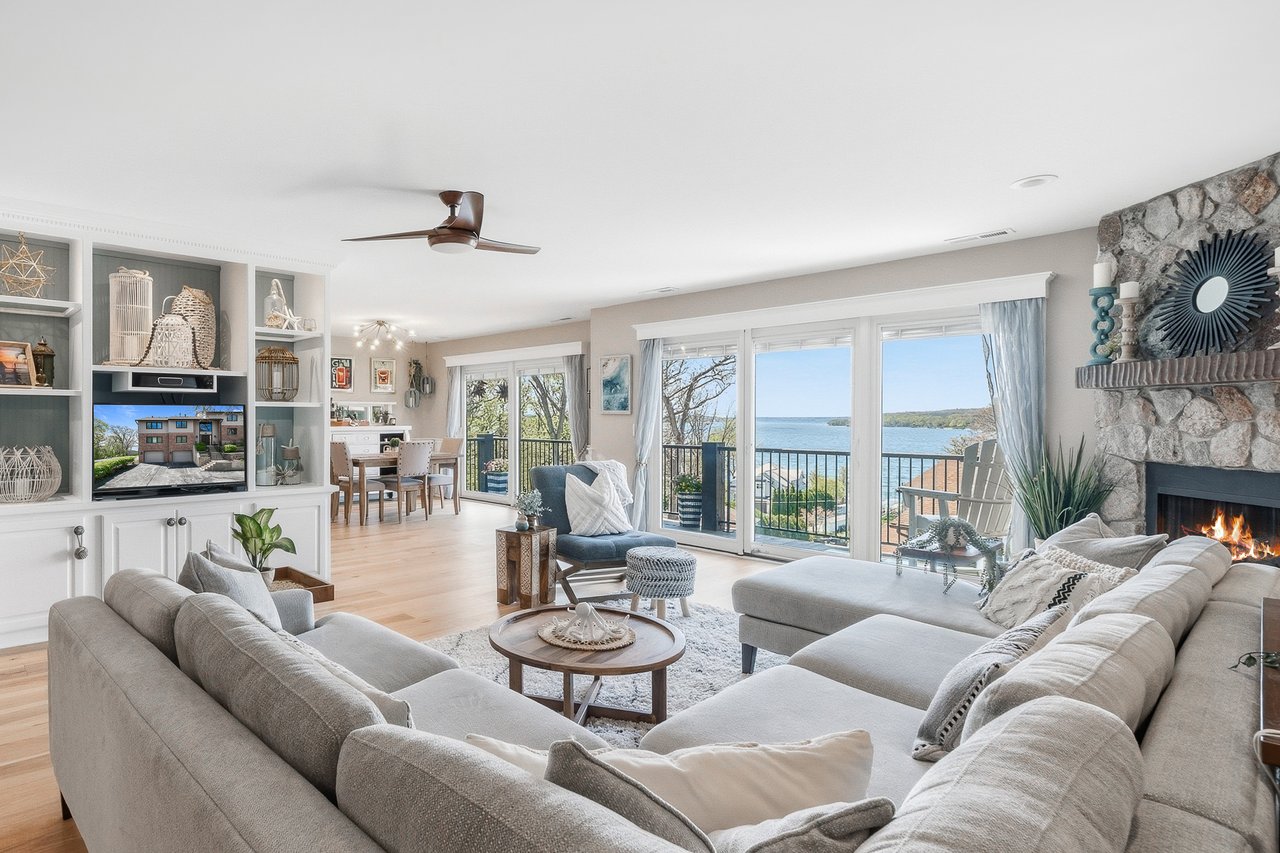
Vista Del Lago - 1070 S. Lake Shore Drive, Unit 11-B2
Bob Webster | August 15, 2026
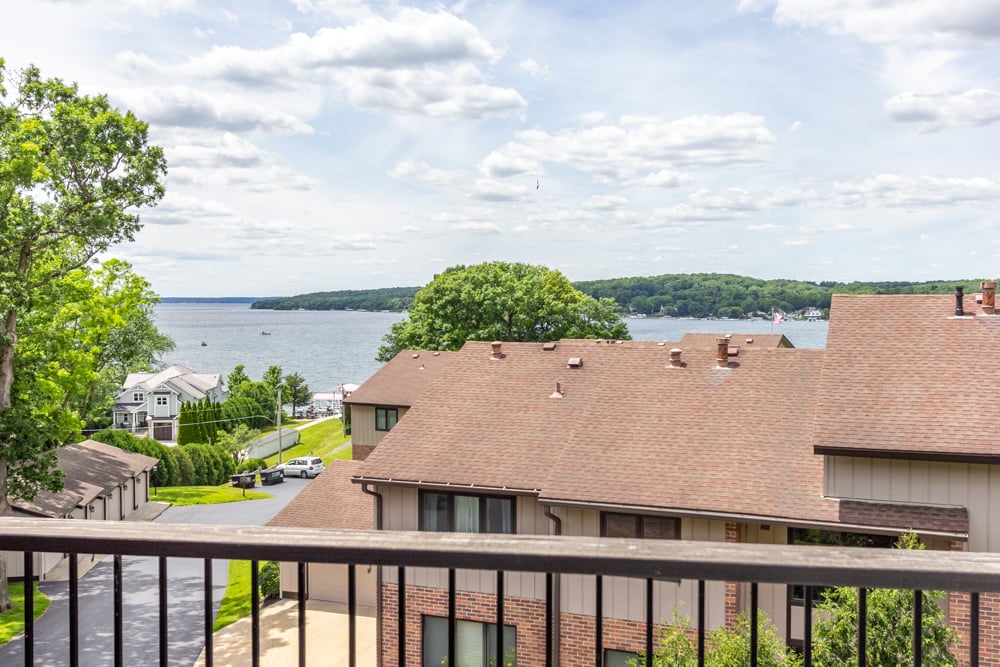
Lake Views and Transferable Deep Water Boat Slip

August 13, 2026
August 6, 2026
August 6, 2026
Bob Webster | July 27, 2026
July 23, 2026
Bob Webster | July 17, 2026
Bob is dedicated to offering the finest real estate service available in the Lake Geneva area. He attempts to make each buyer or seller he works with feel like they are the one and only client he has and strives to make each transaction a pleasurable experience with the least amount of problems, stress, and inconvenience to them.
101 Geneva National Ave. S. Lake Geneva, Wisconsin 53147