Seasonal Rental Potential Near Geneva Lake, Explained
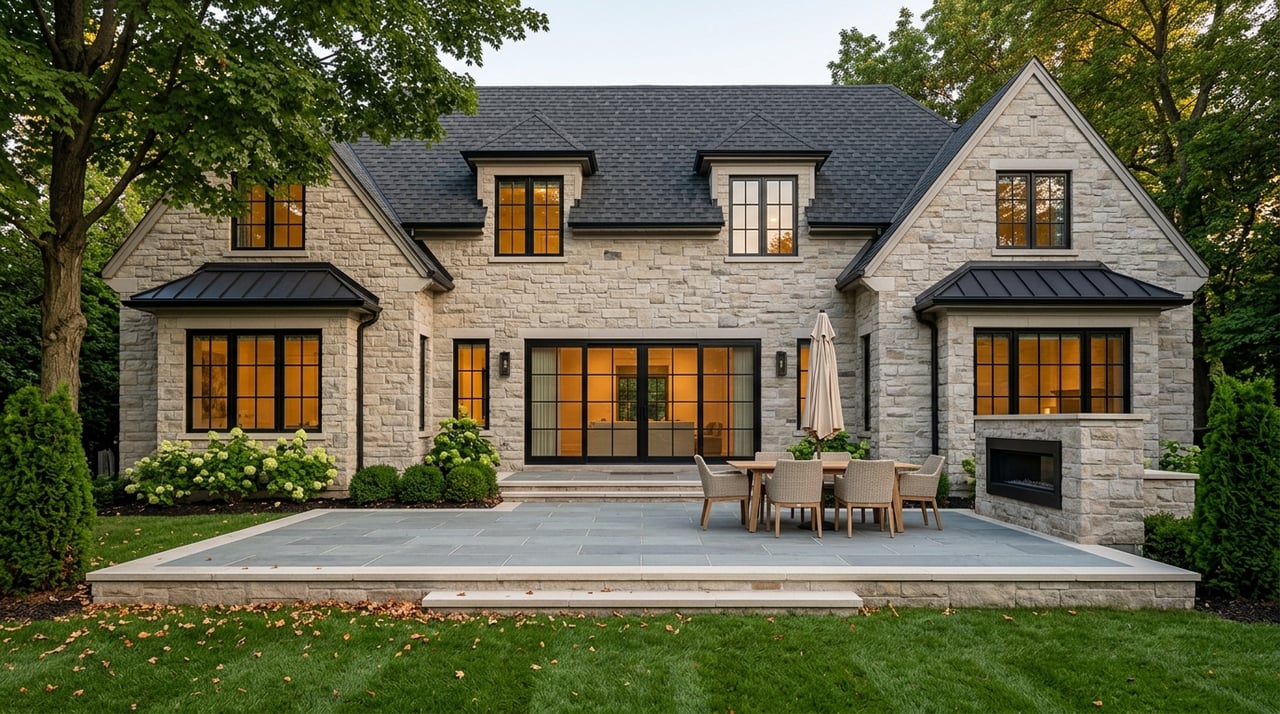
If you own, or are considering buying, a home near Geneva Lake, you have probably wondered whether seasonal rental income could help offset the cost of ownership. That is a smart question, especially in Fontana-on-Geneva Lake, where lake access, summer activity, and visitor demand all shape the market in very specific ways. The good news is that rental potential can be real here, but it is rarely as simple as posting a home and watching bookings roll in. This guide will help you understand what drives demand, what local rules matter most, and how to think about seasonal rental potential with clarity. Let’s dive in.
Fontana-on-Geneva Lake benefits from the broader strength of the Lake Geneva visitor economy. VISIT Lake Geneva reported that visitors generated $700.9 million in total economic impact in 2024, with summer leading demand and shoulder seasons still creating meaningful opportunity. Lodging and dining were leading categories in visitor spending, which shows how important overnight stays are to the area.
That matters if you are evaluating a second home or investment-minded purchase near the lake. This is not a market built around year-round business travel. Instead, demand is tied to lake life, recreation, events, and the kind of weekend and vacation stays that bring people to Geneva Lake in the first place.
Fontana’s own visitor profile supports that pattern. The village highlights its waterfront setting, boutique shopping, dining, parks, seasonal beach access, public boat launch, and outdoor recreation. In practical terms, that means visitors are often coming for a specific experience, not just a place to sleep.
In Fontana, proximity to the lake tends to matter more than it would in a typical suburban market. Homes near Fontana Beach, Reid Park, public Shore Path access, the boat launch, marinas, and waterfront dining are closer to the experiences many visitors are seeking. That convenience can make a property more appealing for seasonal stays.
This does not mean every home near Geneva Lake performs the same way. A property that feels connected to the water-oriented lifestyle usually has a stronger story to tell than one that is simply located somewhere in the general area. For many guests, walkability and ease of access are part of the value.
The busiest stretch of the local market generally lines up with late spring, summer, and early fall. Fontana’s pay-to-park season runs from April 15 through October 15, and the beach is staffed from Memorial Day weekend through Labor Day. Those local operating details are strong signs of when visitor activity is most concentrated.
Still, the area does not go silent once summer ends. Fall color trips, golf, and winter events such as Winterfest help support shoulder-season and winter demand. Even so, the most realistic way to view income here is as seasonal and supplemental, not guaranteed across all twelve months.
The local visitor mix includes families, couples, boaters, golf travelers, and event-driven guests. Based on the area’s amenity profile, homes with multiple bedrooms, usable outdoor areas, practical parking, and easier lake access are likely to be more competitive than homes with awkward layouts or limited functionality. In a market like Fontana, convenience often carries real weight.
Guest-friendly design also matters for longer stays. Because local rules may favor weekly rentals rather than quick weekend turnover, properties that work comfortably for several consecutive days can have an advantage. Think in terms of livability, not just visual appeal.
One of the biggest mistakes owners make is assuming that demand alone determines feasibility. In Fontana, local regulation plays a major role in whether and how a property may operate as a seasonal rental. Before a home is listed on platforms such as Airbnb or VRBO, the village requires owners to apply for the proper permit and satisfy state and village requirements.
The village separates short-term rentals into categories including Vacation Rental Homes and Tourist Rooming Houses. Which rules apply depends on the property type, use, and location. That is why two homes with similar appeal can have very different rental paths.
Fontana’s ordinance states that Vacation Rental Homes are limited to certain zoning districts. Tourist Rooming Houses must be operated as an accessory land use within a single-family detached dwelling unit, and they require annual licensing, inspections, proof of insurance, and other filings. These are not minor details. They can directly affect whether a rental plan is practical.
If a property is outside the village and located in unincorporated Walworth County, a different set of county rules may apply. Walworth County says a state license must come first, and some properties may also need private well testing or septic-system review depending on utilities. For buyers, that means due diligence should happen early, not after closing.
In Fontana, the Tourist Rooming House category requires a minimum rental period of 7 consecutive days per party and a predetermined operation window of no more than 180 consecutive days. That changes how many owners should think about pricing and occupancy. Instead of planning around frequent nightly turnover, you may be planning around fewer, longer bookings.
This can be a good fit for some owners and a poor fit for others. If your goal is steady weekly summer occupancy with lower turnover, the model may align well. If you are counting on constant short stays throughout the year, local rules may limit that strategy.
State and local taxes are part of the equation. Wisconsin says lodging for less than one month is taxable, with a 5% state sales tax and a 0.5% Walworth County sales tax. Fontana also lists a 5% room tax in its room tax application and fee schedule.
Collection and remittance can vary depending on how bookings are processed. Wisconsin notes that marketplace providers may need to collect and remit sales or room taxes depending on the platform and transaction structure. Even if a platform handles some collections, owners still need to understand their responsibilities and confirm details with the appropriate local offices and a tax professional.
For most buyers and owners, the best way to frame seasonal rental potential near Geneva Lake is simple: it may help offset ownership costs, but it should be modeled conservatively. Demand in this market is closely tied to lake season, event weekends, and selected shoulder-season activity. That can create attractive opportunity, but it is not the same as stable year-round rental income.
A practical evaluation usually starts with a few key questions:
If the answer is yes across those areas, a property may have meaningful seasonal appeal. If several of those boxes are not checked, the rental story may be weaker than the location alone suggests.
If you are buying with seasonal rental use in mind, it helps to look beyond the view and focus on the mechanics. A beautiful home in the wrong zoning setup, or one with restrictive association rules, may not support your plan. In this market, regulatory fit is just as important as lifestyle appeal.
You will also want to think about how the property lives for guests. Easy arrival, practical parking, comfortable bedroom count, outdoor gathering space, and quick access to Fontana’s lake-oriented amenities can all shape rental interest. Buyers who evaluate both lifestyle and compliance tend to make more confident decisions.
Seasonal rental potential near Geneva Lake is highly local. Fontana’s rules, village amenities, and demand patterns are different from those in many other vacation markets. A property’s value as a seasonal rental often comes down to details that are easy to miss unless you know the area closely.
That is where experienced local insight becomes useful. If you are comparing homes, evaluating whether a property may fit a seasonal rental strategy, or deciding how a home’s location may affect future demand, market-specific guidance can help you avoid costly assumptions.
If you are considering a purchase or evaluating the marketability of a property near Geneva Lake, Bob Webster can help you assess location, positioning, and real-world buyer appeal with the discretion and local knowledge that only decades in the Geneva Lakes market can provide.
Stay up to date on the latest real estate trends.
August 6, 2026
August 6, 2026
Bob Webster | July 27, 2026
July 23, 2026
Bob Webster | July 17, 2026
July 16, 2026
Bob Webster | July 14, 2026
July 9, 2026
July 2, 2026
Bob is dedicated to offering the finest real estate service available in the Lake Geneva area. He attempts to make each buyer or seller he works with feel like they are the one and only client he has and strives to make each transaction a pleasurable experience with the least amount of problems, stress, and inconvenience to them.
101 Geneva National Ave. S. Lake Geneva, Wisconsin 53147