Geneva Lake Boat Access Options for Fontana Homebuyers
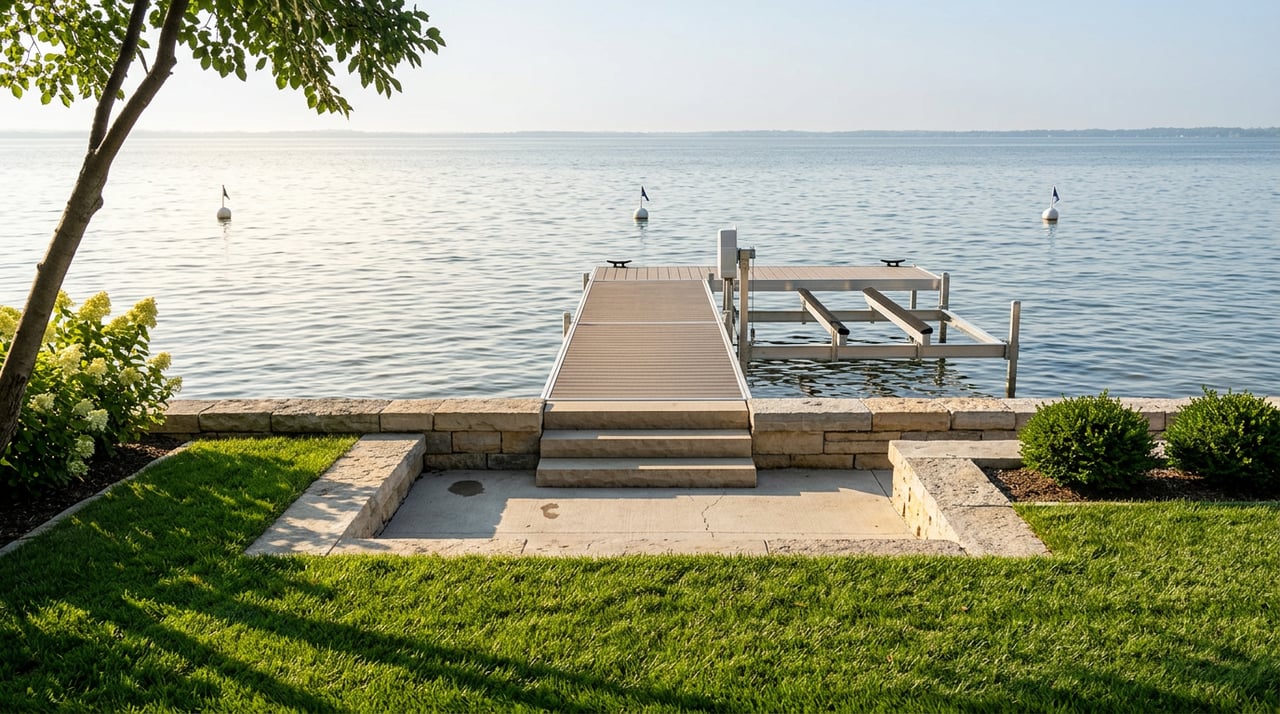
Picture this: your first sunrise at a new Fontana-on-Geneva Lake home, coffee in hand, and your boat waiting. The only question is how you will get on the water. If you are comparing private piers, moorings, association docks, and marinas, you are not alone. In this guide, you will learn the main boat access options around Fontana, how each one maps to different property types, and what to check before you buy. Let’s dive in.
A private pier is the classic riparian setup for a full lakefront home. On Geneva Lake, local ordinances and state rules work together to shape what is possible. Around the lake, municipalities commonly set a pierhead line that limits piers to about 100 feet from shore and require side setbacks from extended lot lines. A Town of Linn example shows both the 100-foot cap and 12.5-foot side setbacks in practice, which is a helpful proxy for Geneva Lake norms across nearby municipalities. You can see how local limits work in that code example on the Town of Linn site.
At the state level, the Wisconsin DNR provides the permitting framework that governs size, configuration, and slip counts. Many small, standard piers qualify under the DNR Pier Planner exemption. Larger or non-standard designs usually need a permit, and the DNR uses a slip-count formula for new non-commercial piers. The DNR also treats many pre-April 17, 2012 installations as legacy piers, which affects what you can change later. For definitions, exemptions, and permit types, start with the DNR Waterways guidance.
What it means for you: if you are buying a true lakefront lot in Fontana, a private pier may be feasible if your frontage and local rules allow it. Narrow frontage can limit the number of boat slips. If water depth or setbacks are tight, consider a mooring buoy or a shared pier instead.
If you are looking at condos, townhomes, or a subdivision with deeded access, your water access often comes through a shared pier. Associations control slip assignments, guest docking, maintenance, and costs. In some cases, slips are recorded as dockominiums, which means the individual dock units are on the municipal roll, similar to how condo units are recorded. Abbey Harbor on the Fontana side is a well-known example where dock units are documented this way. Reviewing association rules is essential so you know how slips are assigned and what transfers when a unit sells.
Mooring buoys are a simple, reliable way to keep a boat on the water without a long pier. Close to shore, many standard buoys do not require a state permit, but the DNR’s rule of thumb changes once you move farther out. A buoy placed more than about 150 feet from the ordinary high-water mark generally needs a DNR permit with justification, and municipalities often require their own approvals within 200 feet. Fontana manages mooring activity through a formal process that includes public review and a published waiting list. You can see how the Village discusses mooring lease policy in past Lakefront and Harbor Committee minutes, and the applications page shows current permit and waitlist forms.
For buyers, moorings are common when frontage is limited or when deeper water sits off the shoreline. Availability can be competitive. Plan ahead if a mooring is central to your lifestyle.
Marinas are the most practical path to day-one dockage if you do not own shoreline. On the Fontana side, Abbey Harbor and resort marinas offer seasonal rentals, fuel, service, and winter storage. Slip availability and pricing vary by operator and season, so you should expect waitlists for prime slip sizes and locations. If you need reliable on-water storage, get on lists early and clarify contract terms such as length limits, electric, and off-season storage.
If you prefer to store a boat off-site or use the lake occasionally, public launches make it simple. The Village of Fontana operates a 24-hour public launch on Lake Avenue and posts launch fees by boat length, plus seasonal passes. Other Geneva Lake communities publish their own ramps and fees, but Fontana’s launch is especially convenient if your home base is on the west end of the lake.
On Geneva Lake, state and local rules intersect. The Wisconsin DNR sets the overarching framework. Projects fall into three buckets: exempt under the Pier Planner checklist, eligible for a general permit, or requiring an individual permit. The DNR also provides the slip-count rules for new non-commercial piers and recognizes legacy piers installed before April 17, 2012, with limits on enlargement.
Local municipalities, including Fontana, then apply their own siting rules. Around Geneva Lake, local pierhead lines commonly cap length at about 100 feet from shore and require setbacks from extended lot lines. Those local caps can reduce what you might otherwise do under state allowances. In practice, a valid DNR permit carries significant weight, yet you still need to follow Village processes. In Fontana, the Lakefront and Harbor Committee reviews pier and mooring items in public meetings, and you will find the relevant forms on the Village’s applications page.
Bottom line: check both the DNR permit history and the Village file before you write an offer. That is how you avoid surprises on size, placement, or slip count.
Use this checklist to confirm the water access that comes with a property and what you can add later.
If you want help matching properties to the access that fits your boating style, lean on a local who lives this every day. With four decades around Geneva Lake, Bob Webster can help you confirm permits, evaluate frontage, and line up the right access plan before you close.
Stay up to date on the latest real estate trends.

September 17, 2026
September 10, 2026
Bob Webster | September 9, 2026
September 3, 2026
August 27, 2026
August 20, 2026
Bob Webster | August 19, 2026
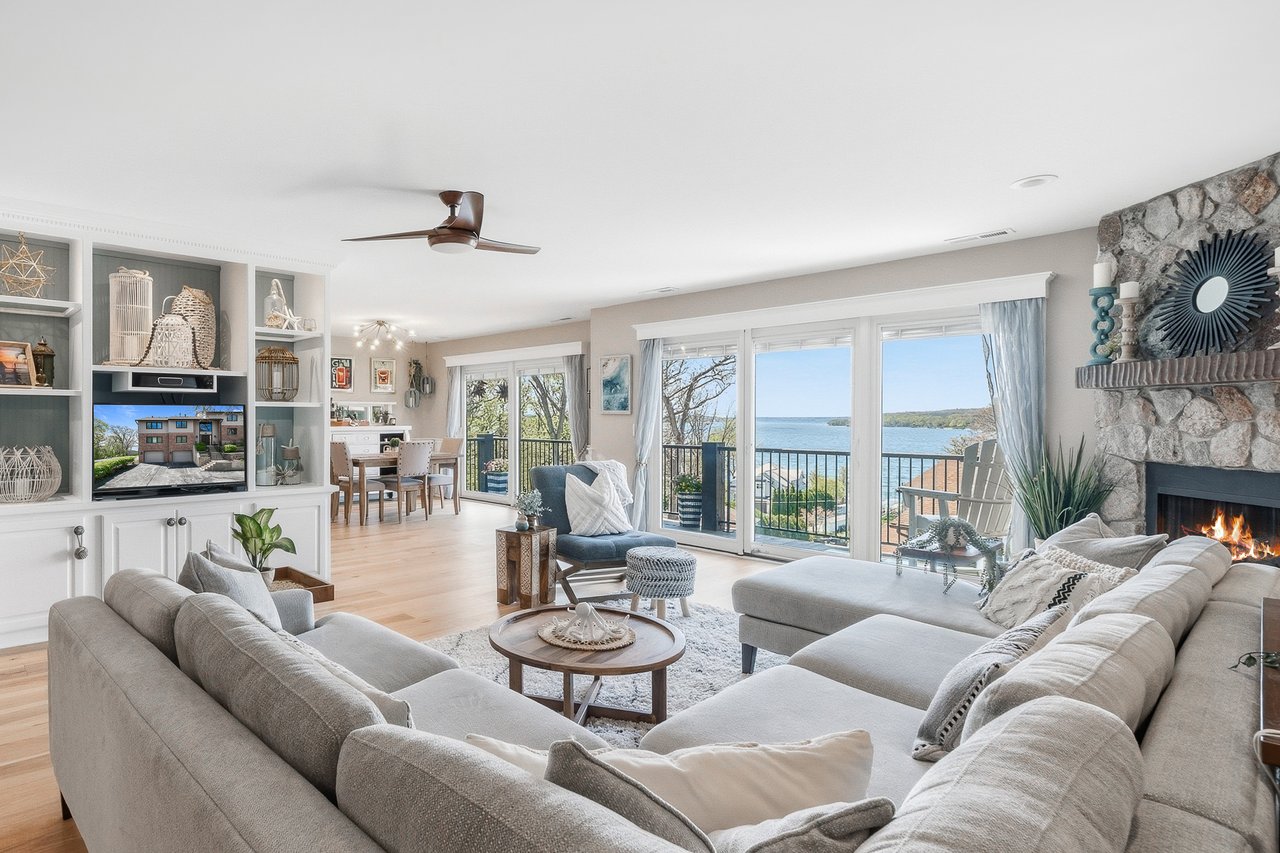
Vista Del Lago - 1070 S. Lake Shore Drive, Unit 11-B2
Bob Webster | August 15, 2026
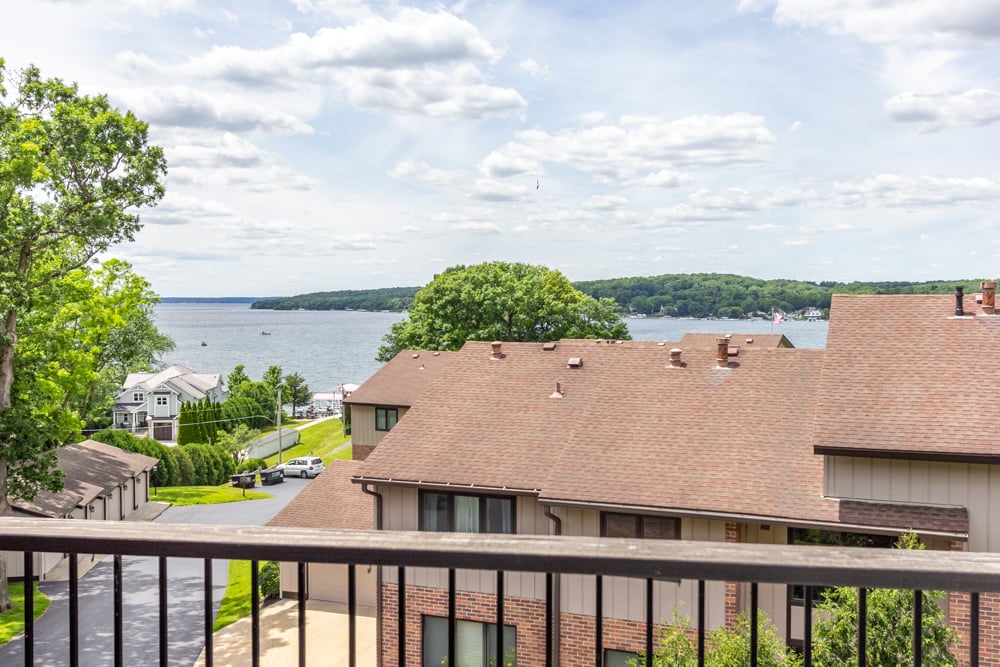
Lake Views and Transferable Deep Water Boat Slip

August 13, 2026
Bob is dedicated to offering the finest real estate service available in the Lake Geneva area. He attempts to make each buyer or seller he works with feel like they are the one and only client he has and strives to make each transaction a pleasurable experience with the least amount of problems, stress, and inconvenience to them.
101 Geneva National Ave. S. Lake Geneva, Wisconsin 53147