Geneva Lake Pier and Boathouse Rules for Homebuyers
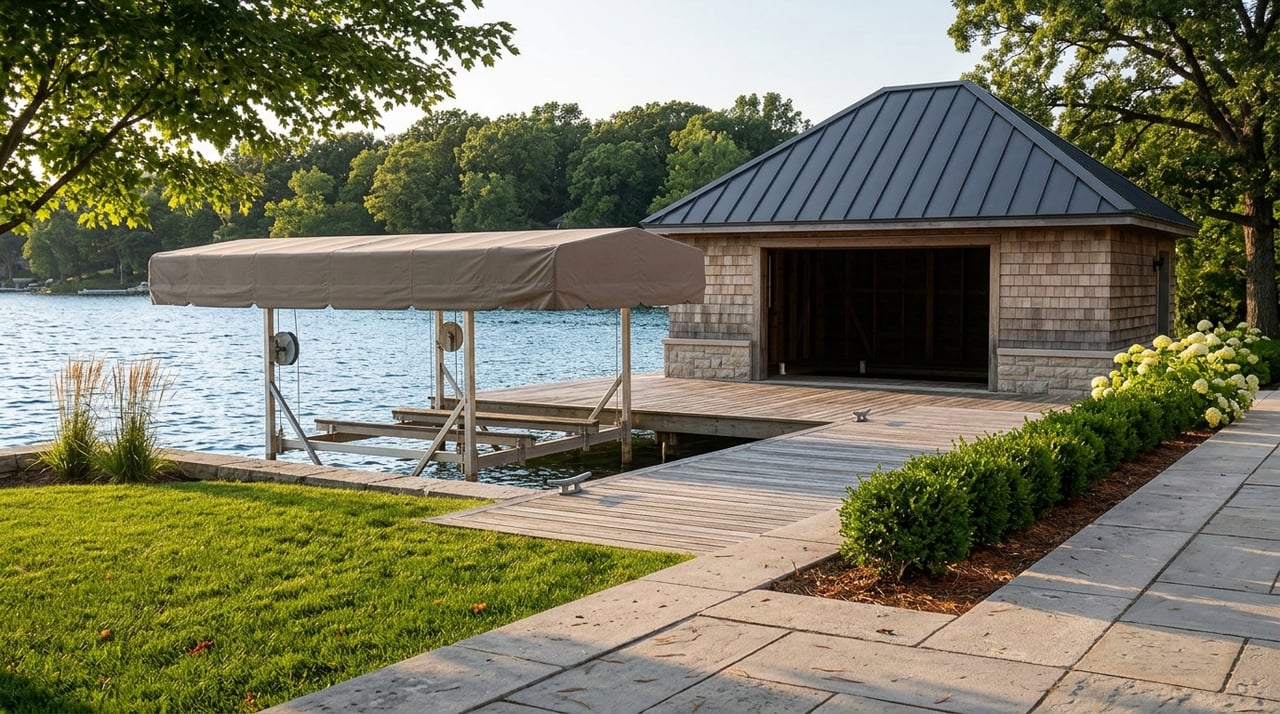
If you are shopping for a Geneva Lake home in Fontana, the view is only part of the story. A pier, boat lift, or boathouse can add real enjoyment and real value, but only if you understand what is there, who controls it, and whether it fits current rules. A little shoreline due diligence up front can help you avoid expensive surprises later, so let’s dive in.
On Geneva Lake, shoreline improvements are tied to more than convenience. In Wisconsin, waterfront ownership connects to riparian rights, while navigable waters remain protected for public use under the public-trust doctrine. That means features near the water are shaped by both private property rights and state oversight.
A key term to know is the ordinary high-water mark. This line matters because it affects permits, shoreland zoning, and questions about what is upland versus what is below the lakebed. For buyers, it is one of the most important reference points when reviewing a waterfront parcel.
Shoreline features also matter for long-term value. Research cited in the report shows that lake characteristics, water quality, and usable waterfront can influence home prices, especially for lakefront properties. In simple terms, a well-documented and usable shoreline amenity may support value more clearly than one with unresolved questions.
Not every waterfront setup is the same. On Geneva Lake, buyers commonly encounter piers, boat lifts, boat shelters, boathouses, and mooring buoys. Each has its own rules and practical considerations.
In Wisconsin, some piers can be exempt from a DNR permit if they meet the state pier-planner standards and checklist. Older piers first placed before April 17, 2012 are generally treated as grandfathered structures.
Even when a pier is exempt, it still must fit statewide standards. These include rules on width, loading platforms, and the number of slips allowed based on shoreline footage. It is also important to know that boats stored in lifts or hoists count toward the slip total.
A boat lift may seem straightforward, but the rules can vary based on design. Wisconsin defines a boat shelter as a shore station or boat lift that may have a roof but no walls or sides.
Some shelters are seasonal and some are permanent. The permitting path depends on how the structure is built, and permanent shelters generally require a general permit or an individual permit. If a property includes a covered lift or shelter, it is worth confirming exactly how it was approved.
Boathouses require special attention on Geneva Lake. Under Wisconsin law, a new wet boathouse, meaning one built entirely or partly below the ordinary high-water mark, is prohibited.
Existing older wet boathouses may sometimes be repaired under certain state certification rules and statutory exceptions. At the same time, Walworth County notes that nonconforming wet boathouses built before shoreland zoning may be maintained. Because state and county materials use different grandfathering dates, buyers should review any boathouse history carefully rather than making assumptions.
Walworth County also places clear limits on boathouses. Only one boathouse is allowed per parcel, and it must be used exclusively for watercraft and related marine equipment, not for human habitation or commercial use. County rules also address size, roof pitch, side-wall, and side-lot-line limits depending on slope.
In some cases, a mooring buoy may be an alternative to a pier-based setup. The Wisconsin DNR says a buoy placed within 150 feet of shore does not require a state permit if it does not affect public or other riparian rights.
That said, local rules may still apply. In Fontana, the village also publishes a mooring-buoy permit application and maintains a mooring waitlist, which tells you this is a locally managed issue as well as a state one.
One of the biggest waterfront misconceptions is that there is just one set of rules. In and around Fontana-on-Geneva Lake, the answer often depends on exactly where the parcel sits.
If a property is in unincorporated Walworth County and within 1,000 feet of a lake, it falls within the county shoreland zone. Some unincorporated areas may also be subject to extraterritorial zoning by nearby cities.
If the parcel is inside the Village of Fontana, village code applies. The current code includes Chapter 54, Public Waters and Beaches, and the village also publishes a pier permit application and pier permit process. For buyers, that is a strong sign to expect local review for new, modified, or extended shoreline structures.
Fontana's zoning code is also specific about shoreyard uses. It states that only boathouses, boat hoists, and piers may be located in the shoreyard. It also notes that piers and docks are exempt from the chapter's setback rules, but they still must comply with Chapter 54.
The exact jurisdiction can shape what you can keep, repair, or change. A structure that fits one approval path may still need separate local review, even if state standards also apply.
For example, the DNR notes that new piers that do not meet exemption criteria require an individual permit. Local ordinances may add their own size or side-setback limits. The same overlap can apply to boathouse work or boat shelters, where county, village, and state approvals may all matter.
This is why waterfront due diligence should go beyond a simple property showing. You are not just buying the house. You are also evaluating a shoreline system with legal, physical, and practical dimensions.
If a Geneva Lake property includes shoreline improvements, these questions can help you understand what you are really buying.
Find out whether the pier is a grandfathered structure or a newer installation that had to meet the DNR exemption checklist. That distinction can affect future changes, repairs, or replacement planning.
Also ask how many shoreline feet the parcel controls. Since slip counts are tied to shoreline footage, this number can directly affect how the pier may be used.
Do not assume the number of visible dock spaces tells the whole story. Wisconsin counts boats stored in lifts or hoists toward the slip total.
If a property advertises multiple lift positions or boat storage options, confirm whether the current setup aligns with the parcel's frontage-based allowance. This is a detail that can matter a great deal for a buyer with several watercraft.
A shoreline amenity is most valuable when it is tied to the proper rights. Ask whether the pier was placed by the actual riparian owner or whether it depends on an easement or shared-access arrangement.
The DNR states that only the riparian landowner can place a pier, and it does not resolve private ownership disputes. That makes title and access review especially important when a waterfront setup seems shared, informal, or unusually arranged.
If there is a boathouse, determine whether it is dry or wet. Then ask whether any repair, rebuild, or maintenance work was completed under county permits or state certification.
Because older boathouses can involve overlapping rules and grandfathering questions, documented history matters. A boathouse that looks charming from the water may deserve a closer file review before you rely on it as a lasting feature.
Some waterfront access needs go beyond the pier itself. If the property requires vegetation removal, dredging, or a boardwalk to reach the shoreline, those items may involve separate state or local rules.
This can be especially important on sites where access is steep, narrow, or visually constrained. The shoreline experience you imagine should match what the parcel can legally and practically support.
Fontana's code says Geneva Lake frontage is measured along the shore at the ordinary high-water mark. That measurement can affect frontage-based calculations tied to shoreline structures.
If frontage is a major reason you are considering a property, it is worth confirming exactly how that number was determined. Small measurement differences can matter when they affect slips, structure sizing, or future planning.
A beautiful pier or classic boathouse can absolutely enhance your experience on Geneva Lake. Still, the most valuable shoreline features are the ones that are documented, compliant, and aligned with the parcel's riparian rights.
That is especially true in a market like Fontana, where waterfront ownership often blends lifestyle goals with meaningful financial decisions. You want the shoreline amenities you are paying for to be as solid on paper as they look from the lawn.
Working through these details early can help you move forward with more confidence. It can also help you compare properties more accurately when two homes offer very different waterfront setups.
When you are evaluating lakefront real estate in Fontana-on-Geneva Lake, experience matters. Bob Webster brings decades of Geneva Lakes market knowledge and a calm, high-touch approach to help you assess not just the home, but the waterfront details that come with it.
Stay up to date on the latest real estate trends.
October 8, 2026
October 1, 2026
September 24, 2026

September 17, 2026
September 10, 2026
Bob Webster | September 9, 2026
September 3, 2026
August 27, 2026
August 20, 2026
Bob is dedicated to offering the finest real estate service available in the Lake Geneva area. He attempts to make each buyer or seller he works with feel like they are the one and only client he has and strives to make each transaction a pleasurable experience with the least amount of problems, stress, and inconvenience to them.
101 Geneva National Ave. S. Lake Geneva, Wisconsin 53147