Why Geneva Lake's Piers Come Out the Same Way, Every Single Fall
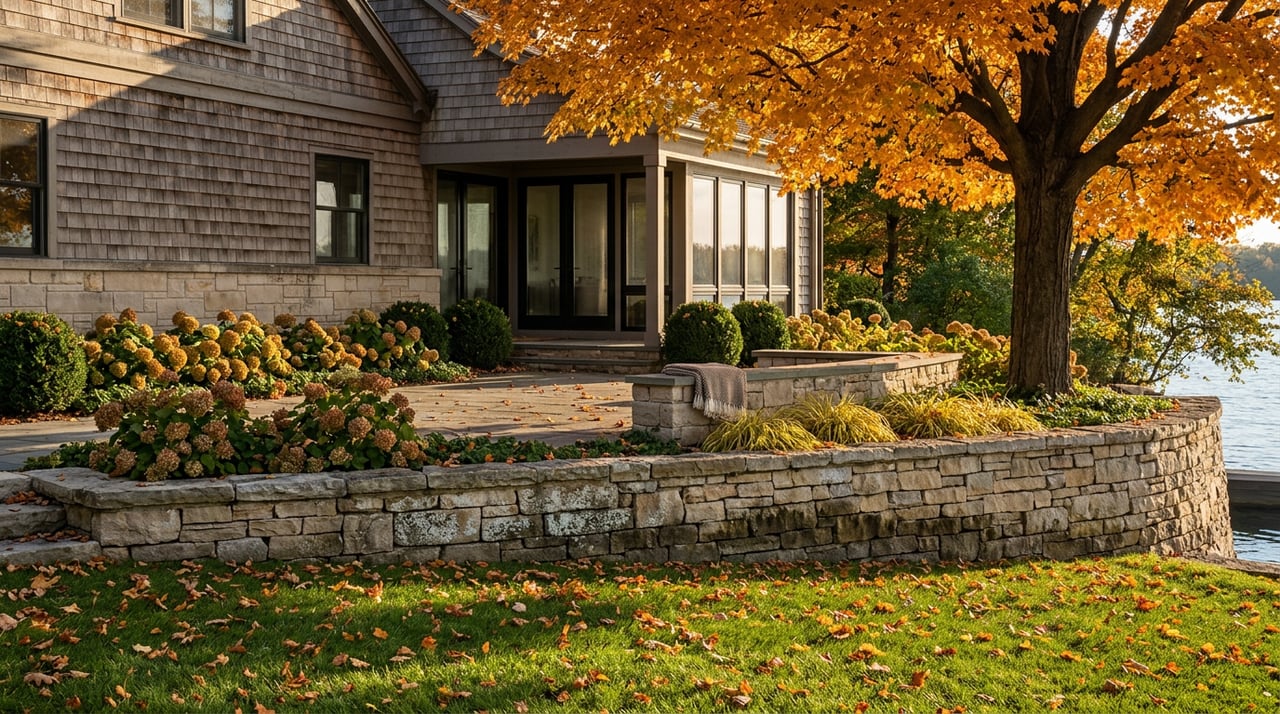
Drive the shore road in early October and the lake looks like it forgot to notice the season changed. The water is still blue, the maples are just starting to turn, and yet half the piers that lined the shoreline in August are simply gone. No lingering repair crews, no half-finished jobs. One week the white wooden structures are there, boats tied up, kids jumping off the end. The next week it is bare shoreline and a stack of decking boards on the lawn.
Most visitors assume this is just tidiness, the same instinct that makes people put lawn furniture away before the first frost. It is not. On Geneva Lake, pulling a pier in the fall is tied to something more specific than weather, and the reason has as much to do with a municipal code section as it does with ice.
Most inland lakes in the Midwest have quietly phased out traditional wooden crib piers in favor of floating docks, aluminum sections, or roll-in systems that can be dragged up a beach in an afternoon. Geneva Lake never made that switch. It remains one of the few lakes in the region where you will still see true crib construction: wooden frames built from Douglas fir, filled and stabilized, then decked over to form the pier surface. Taylor Quist, co-owner of Elite Piers, has described this directly in an interview with At The Lake Magazine, noting that Geneva Lake's depth and shoreline vary so widely from property to property that crews adjust each structure to its own stretch of shore rather than installing a standard kit.
That variation is part of why the piers cannot simply stay in over winter the way a floating dock system on a calmer lake might. A crib pier is rigid. It does not rise and fall with the water the way a floating structure does, and it has almost no give when ice starts to move. Left in place through a Wisconsin winter, ice expansion can shear supports, crack decking, and shift the crib itself out of position. So every fall, before that becomes a real risk, the pier comes out.
Here is the part most owners never think to ask about. The City of Lake Geneva's municipal code contains a specific provision covering wharves and piers along the lakeshore, and it says the seasonal removal of a structure does not affect its legal status as a permissible preexisting wharf or pier, as long as it is reestablished in substantially the same form. The code goes further, allowing an owner to submit evidence to the city at any time confirming that a given structure qualifies for that protection.
Read that closely and the ritual stops looking like a maintenance choice and starts looking like something closer to a condition of ownership. The clause exists because the city assumes piers on this lake come out every year. It also means the protection only holds if what goes back in the spring matches what came out in the fall. Change the footprint, add a slip, extend the crib, and you are no longer simply reinstalling a pier. You may be creating a new one, subject to current setback and permitting rules rather than whatever grandfathered configuration your property has carried for decades. The code separately restricts new piers from sitting within twelve and a half feet of a neighboring property line, a rule that does not apply to a preexisting structure kept in its original form.
None of this is legal advice, and any owner with a genuine question about a specific structure's status should raise it directly with the city rather than guessing. But it explains why the crews who do this work every year tend to treat each removal as documentation as much as labor: photographs of how the crib sat, notes on stringer spacing, a record of exactly what left the water so the same thing can go back.
The list of companies that handle this on Geneva Lake reads like a short history of the lake itself. Reed's Construction has been family owned and operated since 1950, with Jeff and Jon Reed still running installation, removal, and seawall work today. Austin Pier Service traces back to 1963, originally working only the spring and fall seasons on Geneva Lake before growing into a year-round operation with nine trucks and three floating cranes. Lake Geneva Pier Company took over the client base of the longtime local outfit Four Seasons Pier Service, which had operated on the lake for roughly fifty years before the transition. Gage Marine entered the pier service business in 1997 and today splits its attention between pier work and caring for some of the wooden boats that still populate the lake's harbors.
Alongside those local, generational operations sits The Boat House, a larger marina services company that handles fall pier and lift removal here but also operates across the wider Midwest and into Florida. The contrast is worth noticing. Some of the crews on the water each October have been doing this on this lake, and only this lake, since before most current owners were born. Others bring a bigger operation with more capacity but less of that single-shoreline institutional memory.
Piers are not the only thing with a fall cutoff. The same section of city code that protects preexisting pier status also requires that all buoys be removed from the water by the first day of winter each year, and gives the city or the Water Safety Patrol authority to remove any that are not. It is a smaller detail than the pier question, but it catches people off guard almost every season, usually because a buoy marking a swim area or a mooring spot gets forgotten once the pier itself is already stacked on the lawn.
None of this changes what most owners already do instinctively: call a crew, get on the schedule before the ice sets the calendar for you, and let the professionals handle a job that involves floating cranes and cold water. What it does change is the frame. This is not just seasonal tidiness. It is the mechanism that keeps a decades-old crib pier legally where it is, in the form it has always taken, on a lake that still allows that form at all. Photograph your pier before it comes out. Keep the receipts and the crew's notes on how it was assembled. It is a small habit that matters more here than it would almost anywhere else.
If you are weighing what a piece of waterfront property, its pier, and its permitted history are actually worth, that is a conversation worth having with someone who has spent decades learning this shoreline structure by structure. Bob Webster has spent more than 40 years working Geneva Lake's waterfront, and is glad to talk through what a property's dock rights and shoreline history mean, whether you are settling in for another season or just starting to think ahead.
Stay up to date on the latest real estate trends.
September 24, 2026

September 17, 2026
September 10, 2026
Bob Webster | September 9, 2026
September 3, 2026
August 27, 2026
August 20, 2026
Bob Webster | August 19, 2026
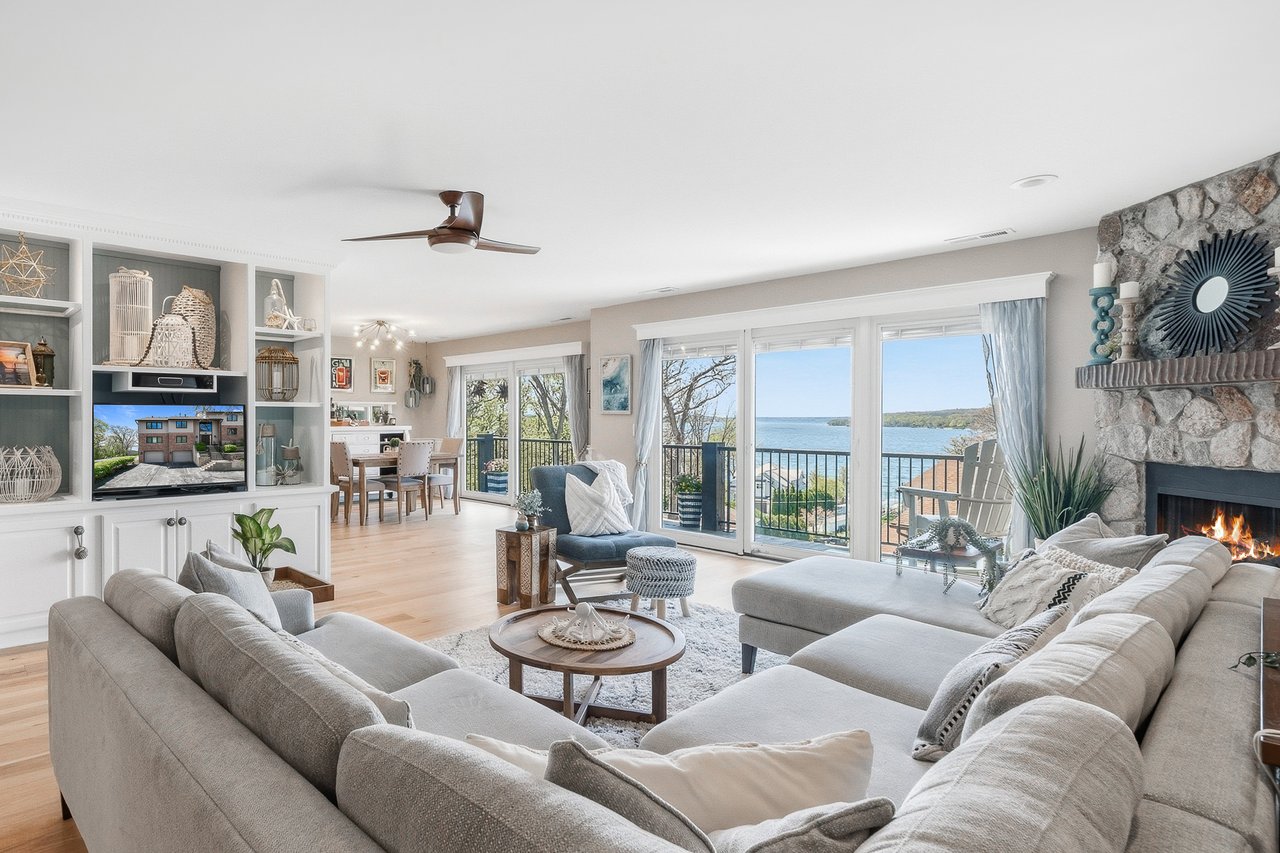
Vista Del Lago - 1070 S. Lake Shore Drive, Unit 11-B2
Bob Webster | August 15, 2026
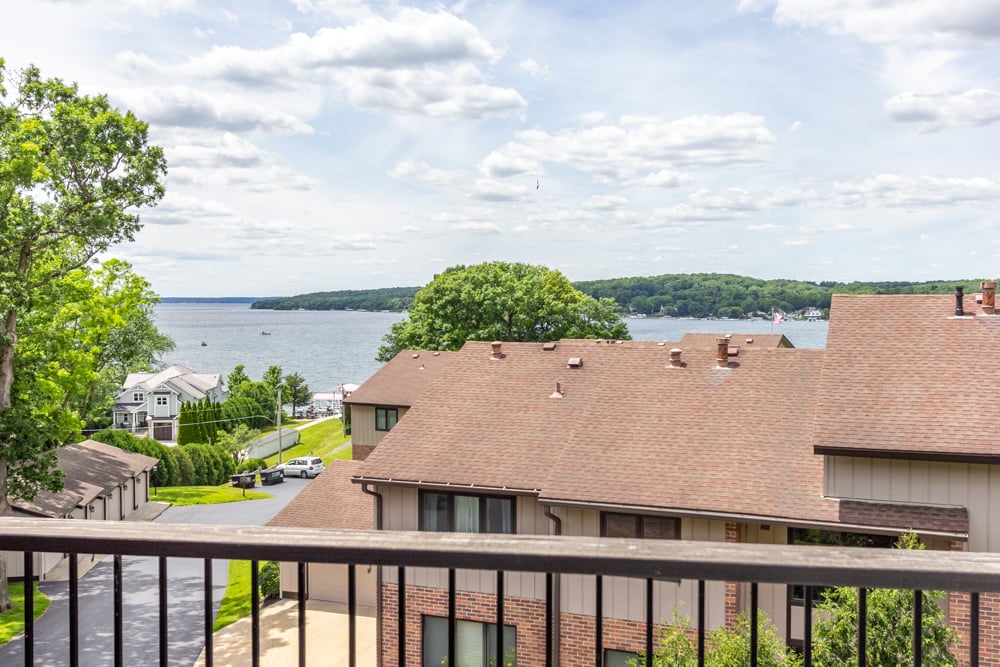
Lake Views and Transferable Deep Water Boat Slip
Bob is dedicated to offering the finest real estate service available in the Lake Geneva area. He attempts to make each buyer or seller he works with feel like they are the one and only client he has and strives to make each transaction a pleasurable experience with the least amount of problems, stress, and inconvenience to them.
101 Geneva National Ave. S. Lake Geneva, Wisconsin 53147