Geneva Lake Shore Path Homes & Architectural Highlights
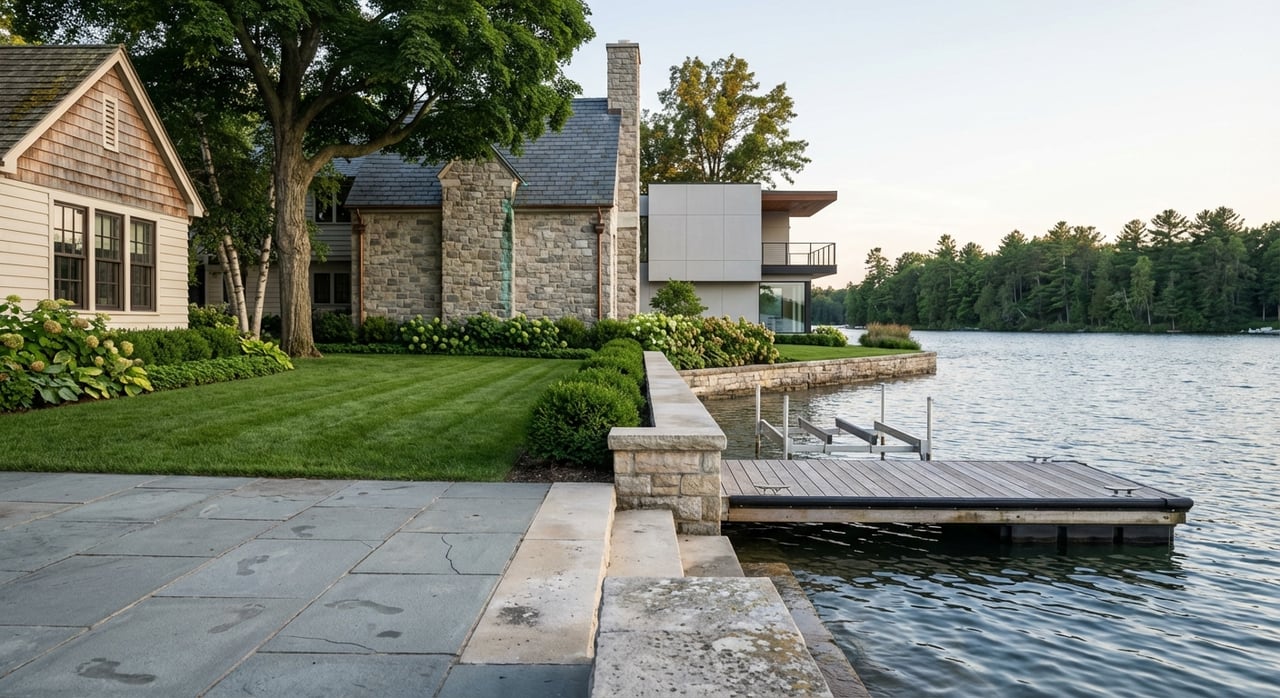
Love walking a shoreline and spotting grand homes up close? Along the Geneva Lake Shore Path, the Fontana stretch gives you a front‑row seat to more than a century of lakefront architecture, from Gilded Age “cottages” to crisp modern builds. Whether you are an architecture buff, a future lake homeowner, or a curious weekender, this guide will help you see what makes each style stand out and where to look for it. You will also find a short, scenic Fontana route, practical etiquette, and planning tips. Let’s dive in.
The Shore Path rings the lake and places you within a few feet of landmark properties, gardens, and boathouses. It is a continuous public footpath, commonly described as roughly 21 to 26 miles depending on the measurement, with popular access points in Lake Geneva, Fontana, Williams Bay, and Big Foot Beach State Park. For an overview of access, distance, and tips, start with the official visitor guidance from Visit Lake Geneva. You will see why this walk is considered one of Wisconsin’s most unique lake experiences.
Fontana anchors the lake’s west end and evolved from early agricultural settlement to a resort destination favored by Chicago visitors. Mid‑century projects, most notably The Abbey Resort, further shaped the village’s look and feel. If you enjoy the way architecture tells a community story, Fontana offers a compact slice of that evolution in one waterfront stroll.
After the Great Chicago Fire and with improved rail access, affluent Chicago families commissioned large summer houses on Geneva Lake. Those commissions brought Queen Anne, Shingle, and classically inspired architecture to the shoreline. Early‑to‑mid 20th‑century tastes shifted toward Colonial, Georgian, and Tudor Revival, along with Arts & Crafts influences tied to regional design movements. Post‑war decades introduced resort complexes and, more recently, contemporary lake houses with glassy elevations and indoor‑outdoor living.
Look for asymmetrical massing, towers or turrets, patterned shingles, and wraparound porches. These were often seasonal homes built at estate scale. A useful public touchpoint is Black Point Estate & Gardens, a well‑preserved Queen Anne summer house open by guided tour via boat. Even from the water or designated viewpoints, you can appreciate the vertical tower and period detailing that defined the style.
These homes favor symmetry, classical columns, and carefully ordered facades, often paired with terraces and formal lawns. Stone Manor, originally Younglands, is the area’s celebrated example of monumental Beaux‑Arts presence in dressed stone. It demonstrates how Eastern‑seaboard country‑house models were adapted for Midwestern lake settings.
Georgian Revival houses along the shore display balanced facades, classical entry surrounds, and brick or stone craftsmanship. Glanworth Gardens, associated with early professional landscape design, exemplifies a major classical estate where house and grounds work as one composition. The restored gardens show how terraces, axial walks, and framed lake views elevate the architecture.
You will notice steep gables, leaded casement windows, tall chimneys, and half‑timber accents that recall English country houses. Many shoreline Tudor homes blend into wooded settings with picturesque massing. The effect is intentional: these designs were meant to feel handcrafted and settled, even when newly built.
Horizontal lines, low‑pitched roofs, grouped windows, and broad eaves point to Prairie and Craftsman influence. These homes often emphasize natural materials and integrated porches. They also connect Geneva Lake to early 20th‑century Chicago design currents, which is part of the region’s architectural DNA.
The mid‑century period added leisure‑minded architecture to the shoreline. In Fontana, The Abbey Resort introduced A‑frame massing and a destination layout that centered on marina life, open lobbies, and outdoor amenities. As you walk near the marina, you can still read that era’s design language in the bold rooflines and structured arrival sequence.
Today’s new builds often use clean lines, large expanses of glass, and terraces oriented to the water. Interiors favor open plans that extend to outdoor rooms. Regional architecture features showcase these priorities in recently completed lake houses.
On Geneva Lake, the shoreline itself acts like architecture. Custom boathouses echo ship forms or the house’s main gables, and long piers extend sightlines into broad water. Many estates choreograph a formal relationship between house, lawn terraces, garden rooms, and the boathouse. When you look at a property, try reading the composition from the water’s edge back to the main facade.
Begin at The Abbey Resort in Fontana. From outside, note the A‑frame profiles and resort scale that set up a marina‑focused experience. This is an ideal place to orient yourself, grab a coffee, and step onto the Shore Path heading east.
Walk east from the marina. The path surface changes underfoot because individual property owners maintain their segment, which becomes part of the visual story. Along this stretch, you will pass a mix of early 20th‑century revival houses and later mid‑century parcels. Keep an eye on the relationship of lawns, stone steps, and boathouses to the main house.
As you continue, the Lake Geneva Yacht Club area illustrates club and sailing architecture alongside active waterfront programming. Recent clubhouse and sailing center projects are deliberately modern, reflecting contemporary materials and open, view‑driven spaces. It is a clear example of how new buildings fit into a historic lakescape.
For a deeper dive into local history and Queen Anne design, plan a future visit to Black Point Estate & Gardens by boat tour. You will get guided interpretation, period details, and context that ties architecture to the lake’s broader story. Many of the lake’s best photo angles are also found from the water or public docks.
The Shore Path is publicly walkable, but it crosses many private lakefronts. Stay on the marked path, observe daylight hours, and respect posted signs and private lawns. Photography of broad views is common, yet you should avoid close‑ups of private areas and ask before photographing people. This respectful approach keeps the path welcoming for everyone.
Shoreline stewardship also matters. Local organizations focus on protecting wetlands, shorelines, and historic landscapes as part of the lake’s long‑term health. If you are interested in conservation, learning about the region’s land trust work is a valuable next step.
Seeing homes from the Shore Path teaches you how architecture, site design, and the lake interact. You begin to notice how materials weather, how terraces frame a view, and how boathouses complete the composition. If you are considering a purchase or preparing to sell, understanding these details helps you weigh value, character, and long‑term stewardship. The path is more than a walk. It is a master class in what makes Geneva Lake living special.
If you want local guidance on the architecture and neighborhoods that fit your goals, reach out to Bob Webster for a confidential conversation. With 40+ years of experience and a boutique, hands‑on approach, Bob can help you translate this shoreline knowledge into a curated search or a premium, well‑presented sale.
Stay up to date on the latest real estate trends.
August 20, 2026
Bob Webster | August 19, 2026
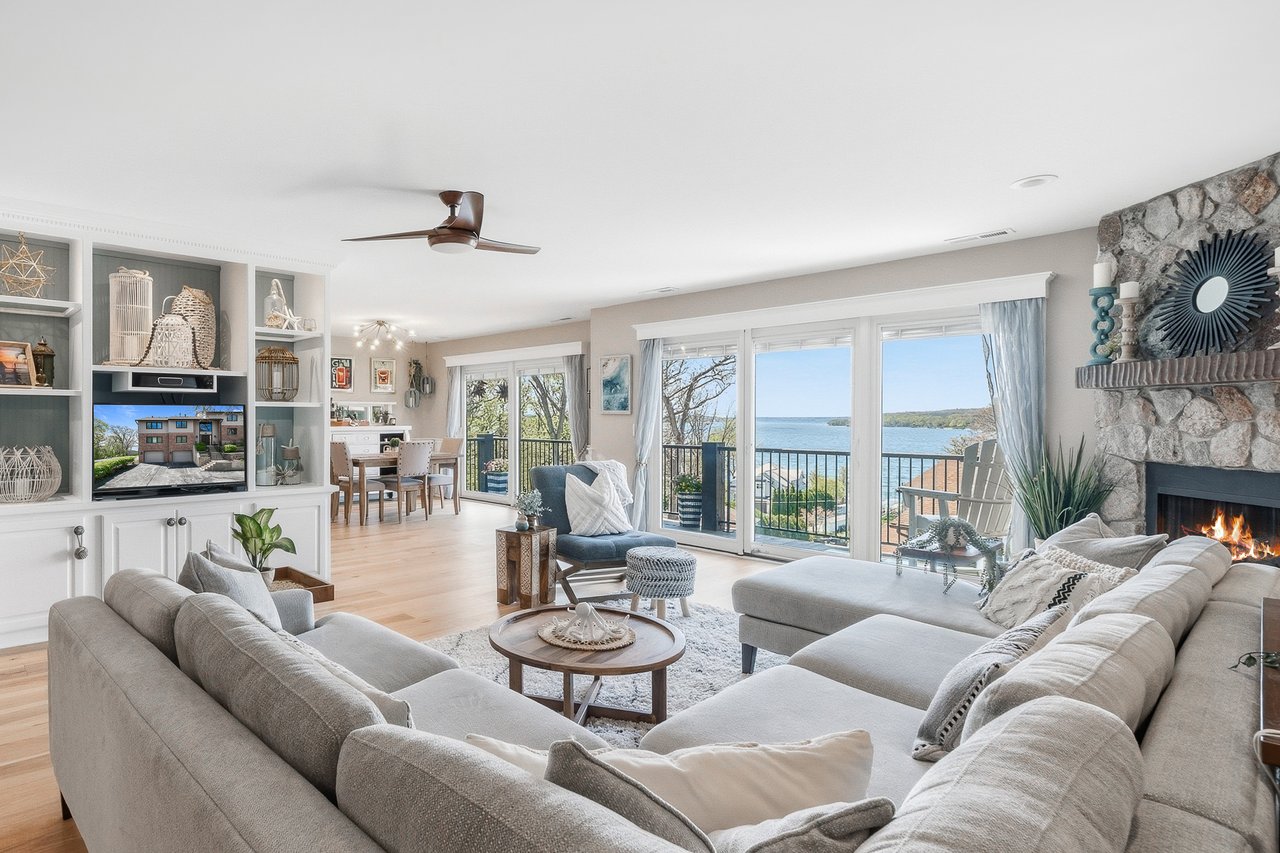
Vista Del Lago - 1070 S. Lake Shore Drive, Unit 11-B2
Bob Webster | August 15, 2026
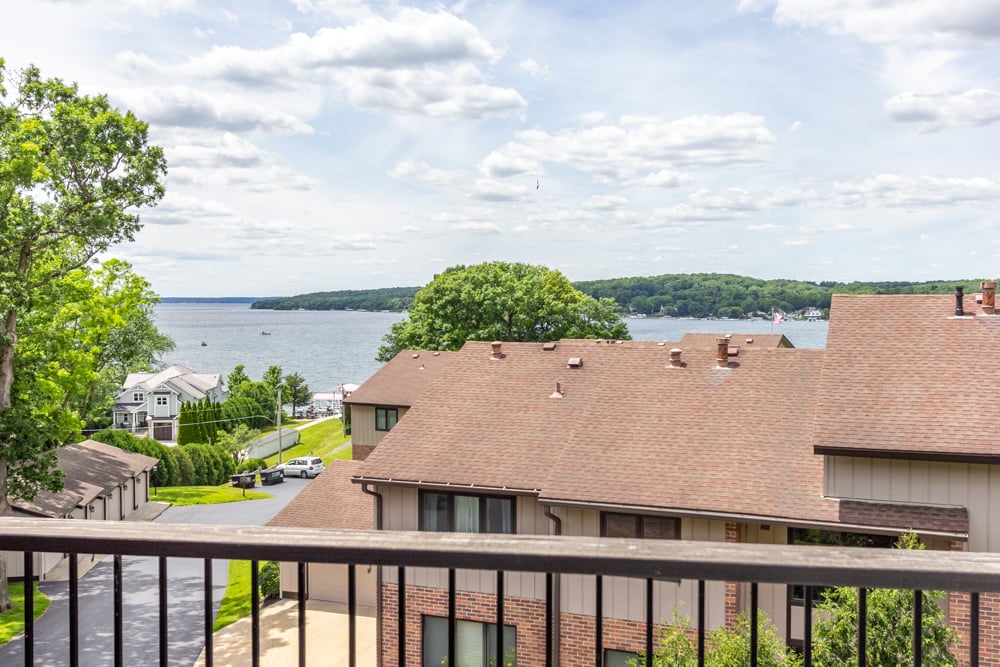
Lake Views and Transferable Deep Water Boat Slip
August 13, 2026
August 6, 2026
August 6, 2026
Bob Webster | July 27, 2026
July 23, 2026
Bob Webster | July 17, 2026
Bob is dedicated to offering the finest real estate service available in the Lake Geneva area. He attempts to make each buyer or seller he works with feel like they are the one and only client he has and strives to make each transaction a pleasurable experience with the least amount of problems, stress, and inconvenience to them.
101 Geneva National Ave. S. Lake Geneva, Wisconsin 53147