Geneva Lake Marinas and Launch Options Near Fontana
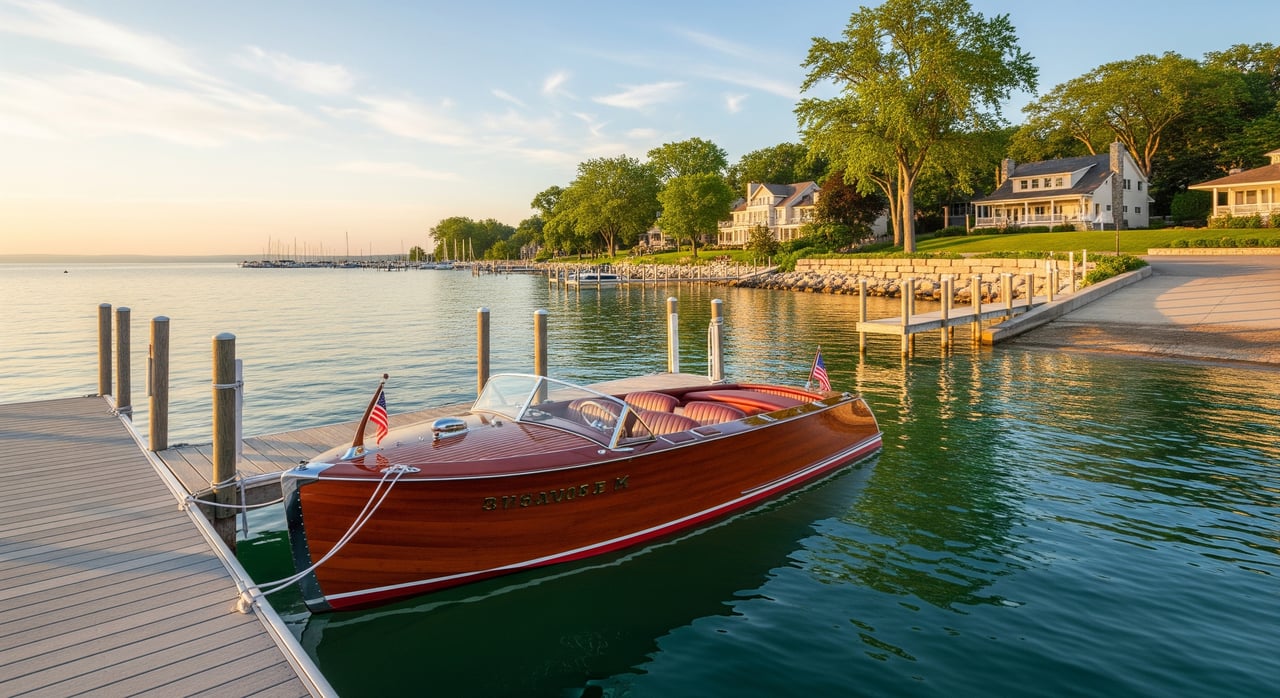
Thinking about bringing a boat to Geneva Lake and not sure where to keep it near Fontana? You are not alone. With a highly seasonal boating calendar and a mix of resort marinas and public ramps, the right plan can save you time and stress. This guide gives you a clear picture of where and how to dock or launch, what to ask before you sign a slip agreement, and the practical rules that shape your time on the water. Let’s dive in.
Geneva Lake is compact, active and seasonal. The main boating window runs from late spring through early fall, and summer weekends get busy. You will see pontoons, runabouts, bowriders, wake boats and small cruisers.
Three communities frame most access points: Fontana‑on‑Geneva Lake, the City of Lake Geneva and Williams Bay. Each area manages its own ramps and has a different mix of private, resort and municipal docking.
Expect local speed and wake rules, plus seasonal no‑wake zones near shore and public beaches. Always check current municipal regulations and harbor notices before you go.
Abbey Harbor sits in the Fontana area and operates much like a resort‑adjacent marina. You can expect a focus on seasonal slip holders, resort guests and limited transient space. Check for wet slips, guest or courtesy docks for short visits, nearby fueling, and easy access to shore amenities.
Buyer tip: Resort marinas often prioritize owners or guests. Ask about slip waitlists, whether slips transfer with a property sale, insurance requirements, and seasonal access rules.
Gordy’s in the Fontana and Williams Bay area is a classic boatyard and marina blend. Facilities like this usually offer slip rental, winter storage, mechanical service, haul‑out and launch.
Buyer tip: If you will manage the boat from out of market, service depth and response time matter. Confirm the shop’s capabilities, scheduling during peak season, and whether transient docking is available when you need it.
The City of Lake Geneva manages paved public ramps designed for launch and retrieval rather than mooring. Expect defined operating seasons and hours, parking rules and fees, and possible trailer length limits.
Buyer tip: Ask about daily or seasonal parking permits, ADA access, restroom availability, and whether a pump‑out station is nearby. Summer weekends can fill early, so plan arrivals accordingly.
Williams Bay operates a municipal launch that serves trailer boaters. Like other public ramps, it focuses on efficient launches and retrievals with designated parking.
Buyer tip: Confirm fee schedules, peak‑time congestion patterns, and any local rules on wakes and near‑shore operation. Check whether parking permits or stickers are required for your vehicle and trailer.
A seasonal wet slip is a dedicated in‑water space sized to your boat’s length and beam. Leases typically run spring to fall and may renew annually. Many marinas carry multi‑year waitlists, so inquire early.
Transient slips are short‑term spaces by the hour, day or night. They are limited during peak months and often require reservations. Expect to provide current registration and proof of insurance.
Dry stack storage keeps your boat on racks and launches it for you on request. It works well for small to mid‑size boats within a facility’s length and weight limits. Outdoor yard storage and trailer storage may be available but are often reserved for slip holders.
Municipal lots and marinas set their own parking rules. Confirm where you can leave your trailer, what it costs, and whether proof of launch or residency is required on busy weekends.
Before you commit, ask:
Larger or resort marinas may offer fuel. Smaller facilities might not. Confirm gasoline or diesel availability, hours, payment options and no‑idling procedures. If your engine needs ethanol‑free fuel, verify the grade before you arrive.
Expect common services such as winterization, haul‑out, engine work, bottom painting, electrical and shrink‑wrap. Many owners also use mobile technicians who come to the dock for routine service. If you will not be local, set up a preseason and postseason plan early.
Some marinas and public facilities provide pump‑out for marine sanitation devices. Regular pump‑outs support lake quality and may be required before winter storage. Ask where the nearest pump‑out is and the hours of operation.
Wisconsin promotes active aquatic invasive species prevention. Follow the Clean, Drain, Dry routine when moving between water bodies and expect voluntary inspections at some launches. Keep bilges managed, use pump‑outs, and respect no‑wake zones to protect shorelines and docks.
Use this list when you call a marina, harbor master or municipal office:
Peak congestion hits summer weekends and holidays. If you plan to launch a trailer boat, arrive early or aim for weekdays. For transient docking, book as far ahead as possible and confirm the day before.
If you are moving in or out for haul‑out, ask about non‑peak scheduling. Many yards charge extra for after‑hours or high‑demand time slots.
Choosing between a resort marina, a full‑service yard and municipal launches depends on your boat type, how often you visit and whether you need on‑call service. A local expert can help you weigh waitlists, transfer rules tied to specific properties and the day‑to‑day realities of peak season.
If you would like a calm, one‑on‑one plan for docking, storage and launch access near the homes you are considering, connect with Bob Webster for confidential, local guidance.
Stay up to date on the latest real estate trends.
July 23, 2026
Bob Webster | July 17, 2026
July 16, 2026
Bob Webster | July 14, 2026
July 9, 2026
July 2, 2026
June 25, 2026
June 18, 2026
June 11, 2026
Bob is dedicated to offering the finest real estate service available in the Lake Geneva area. He attempts to make each buyer or seller he works with feel like they are the one and only client he has and strives to make each transaction a pleasurable experience with the least amount of problems, stress, and inconvenience to them.
101 Geneva National Ave. S. Lake Geneva, Wisconsin 53147