Cash Vs Jumbo Financing On Geneva Lakefront Purchases
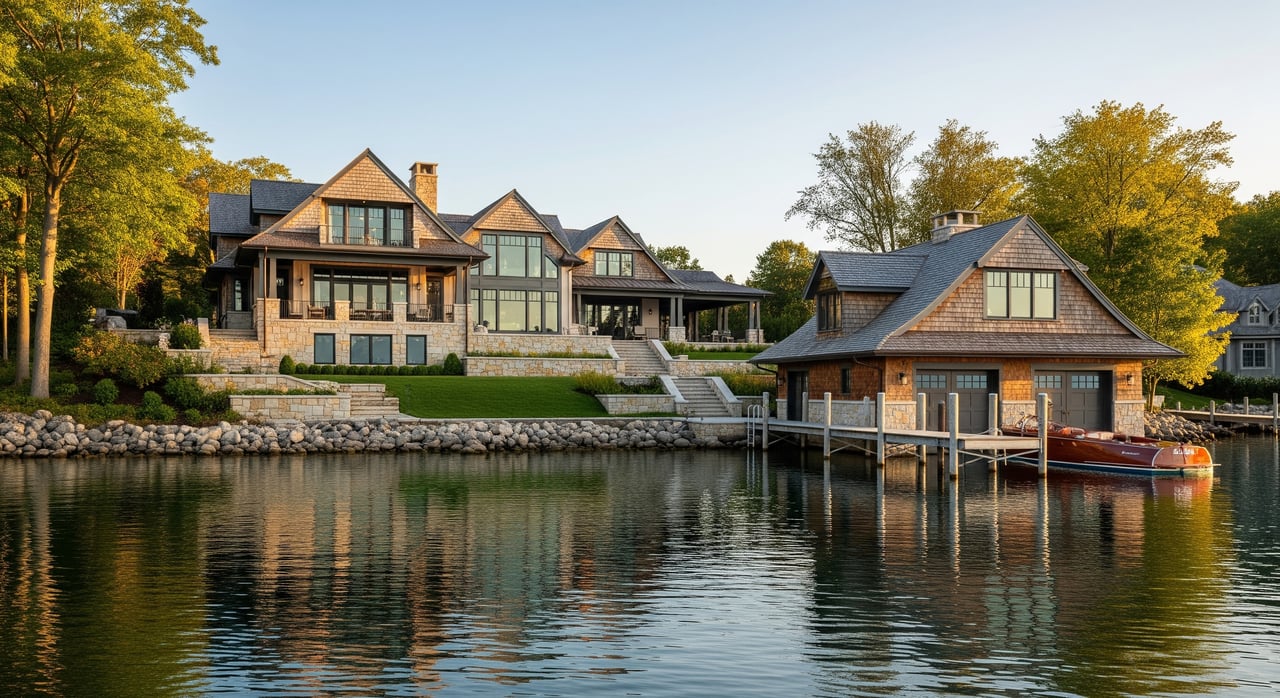
Are you deciding whether to go all cash or use a jumbo loan for a Geneva Lakefront home in Fontana-on-Geneva Lake? You are not alone. In a market with unique shoreline features and competitive listings, your choice can shape speed, leverage, appraisal risk, and post-close liquidity. This guide breaks down what matters on Geneva Lake, so you can move forward with clarity and confidence. Let’s dive in.
Cash means you buy without a mortgage. There is no lender underwriting and no lender-required appraisal, which increases certainty for sellers and can shorten timelines. The tradeoff is reduced liquidity after closing.
A jumbo loan starts above the annual conforming loan limit set for the year. Jumbo programs are underwritten by private lenders with tighter credit, documentation, down payment, and reserve standards. Rates can be similar to or slightly higher than conforming loans depending on your profile and market conditions. Always confirm the current threshold with the FHFA for your closing year.
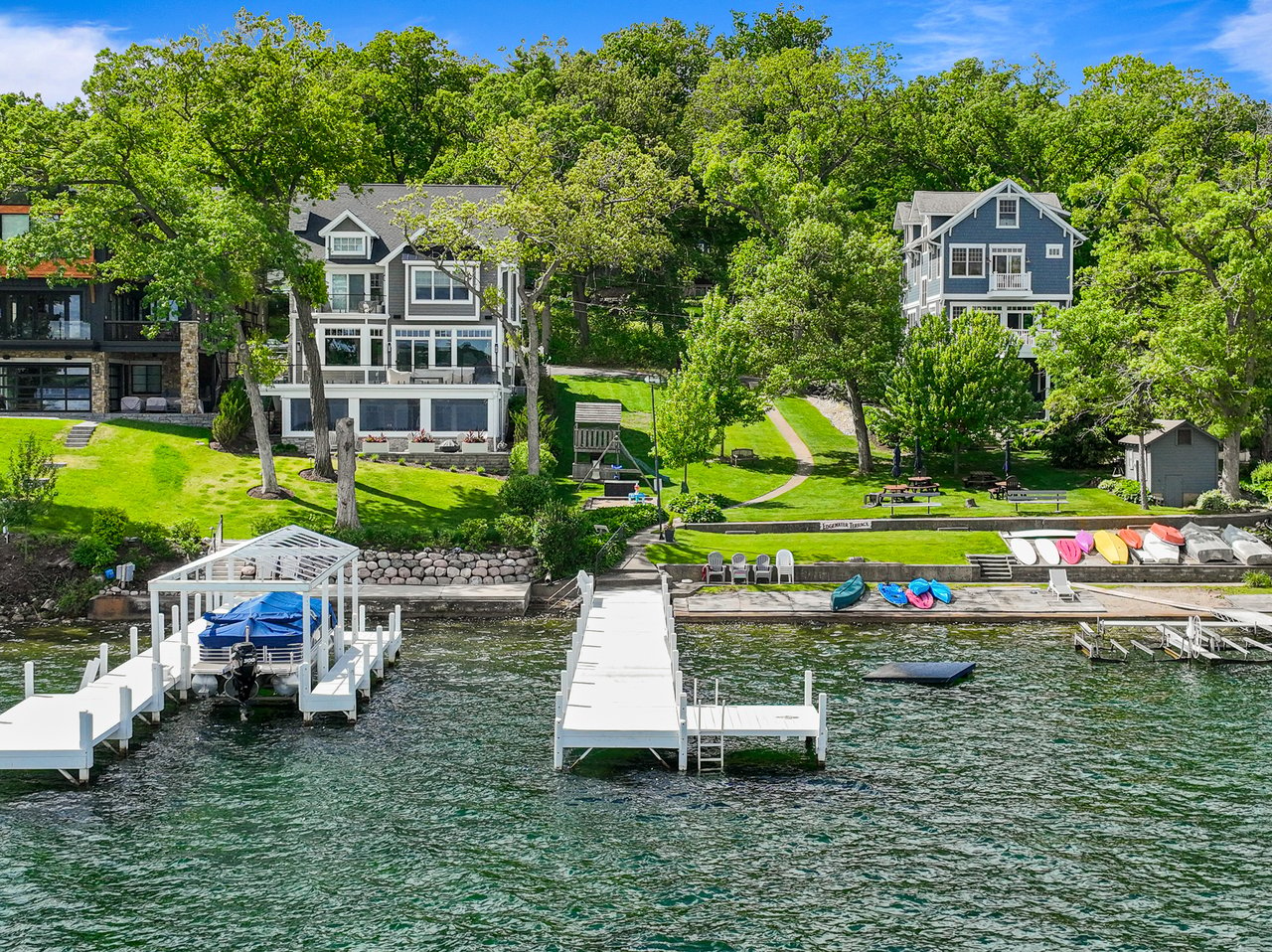
A portfolio loan is a mortgage a bank keeps on its own books instead of selling to investors. Portfolio lenders can be more flexible on unusual properties, which is often useful for Geneva Lakefront homes with boathouses, private piers, or complex sites. Pricing and terms vary by institution.
True lakefront properties are rare, so comparable sales are limited. Features like a functional boathouse, private pier, seawall condition, shoreline stabilization, and protected views carry major value but are hard to quantify. Site factors such as slope, erosion risk, flood elevation, and septic or well constraints also affect value and marketability.
Because comps are scarce, an appraisal can come in below the contract price. Lenders may order a second appraisal or a desk review, especially on higher-priced or unusual properties. Many lenders layer on conservative loan-to-value limits or require additional inspections for complex shoreline elements.
Cash can close in roughly 7 to 21 days if title and survey items are straightforward. You still need time for inspections, a current survey, and permit checks, but you skip lender underwriting.
Jumbo and portfolio financing commonly take 30 to 60 days. The longer path comes from income and asset documentation, appraisal scheduling and reviews, and possible requests for specialty reports.
Cash reduces lender risk and usually provides the cleanest path to closing. On complex lakefront properties, that certainty stands out. Sellers often view a strong cash offer as the safest choice, especially if timing is tight.
A jumbo offer can be nearly as persuasive as cash when you pair it with a reputable lender pre-approval, a large earnest deposit, proof of funds for the down payment and reserves, and a shorter financing contingency. Matching or exceeding the cash price can also neutralize the cash edge.
Using cash can secure the property and simplify negotiations, but it reduces your liquid reserves. Geneva Lakefront ownership may include higher-than-average capital needs for shoreline work or structural projects, so plan liquidity early.
Options include delayed financing, a standard cash-out or rate-and-term refinance, a home equity line on another property, or securities-backed lending through your private bank. Portfolio lenders can also originate a retained loan after closing that fits the property’s unique features. Tax treatment varies, so discuss deductibility and structure with your advisor.
Practical tips:
In Fontana-on-Geneva Lake and greater Walworth County, shoreline rules and permits carry real weight in both appraisals and underwriting. Expect lenders and appraisers to look for proof that docks, piers, and seawalls are compliant. Title teams often review riparian rights and easements to ensure clean, insurable ownership.
Key checkpoints:
Action steps:
Geneva Lakefront deals are about details. Permits, surveys, shoreline engineering, and appraisals all need careful handling to protect value and keep your closing on track. With 40-plus years focused on the Geneva Lakes, a boutique practice, and Compass tools behind the scenes, Bob provides a calm, high-touch process that fits the stakes of a lakefront purchase. If you are weighing cash against jumbo or portfolio financing, connect with Bob Webster for a confidential, concierge-level plan.
Stay up to date on the latest real estate trends.
June 25, 2026
June 18, 2026
June 11, 2026
June 4, 2026
May 28, 2026
Bob Webster | May 22, 2026
May 21, 2026
Bob Webster | May 15, 2026
May 14, 2026
Bob is dedicated to offering the finest real estate service available in the Lake Geneva area. He attempts to make each buyer or seller he works with feel like they are the one and only client he has and strives to make each transaction a pleasurable experience with the least amount of problems, stress, and inconvenience to them.
101 Geneva National Ave. S. Lake Geneva, Wisconsin 53147